 |
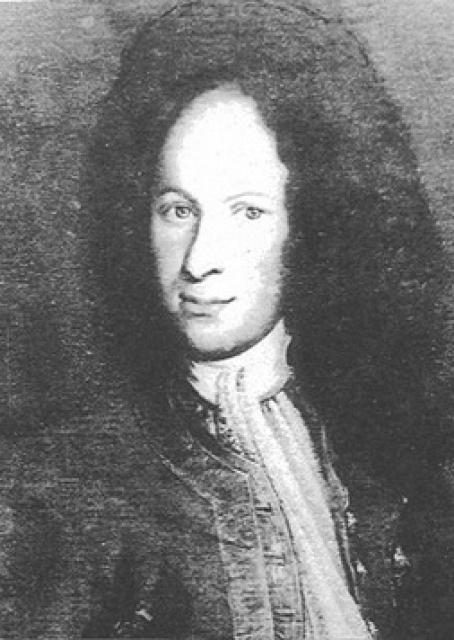
Lars GathenhielmSwedish privateer and adventurer
Date of Birth: 30.11.1689
Country:  Sweden Sweden |
Content:
- Early Life and Maritime Adventures
- Privateering and Military Service
- Controversy and Royal Favor
- Downfall and Legacy
Early Life and Maritime Adventures
Lars Gathenhielm, born Lars Andersson on November 30, 1689, on the Gatan farm in Halland, embarked on a life of adventure from his youth. Despite being born to a skipper father, Anders Börjesson, and a mother, Christina Larsson Dotter Elm, Lars and his brother chose to adopt the surname Gaten.
At the tender age of 14, Lars fled his home and set sail on a small vessel into the Kattegat, where he was rescued by a Danish ship. He subsequently served on various foreign merchant and pirate ships before joining the Dutch frigate "Rotterdam" as a lieutenant.
During a naval engagement in the Mediterranean, the "Rotterdam" faced off against the pirate ship "Hebe." In a daring move, Lars led a mutiny aboard the pirate vessel, capturing it and returning it to Rotterdam as a prize. This feat earned him honorary citizenship of the city.
Privateering and Military Service
Upon returning to Sweden, Lars seized the opportunity to obtain a privateering license from King Charles XII. As a privateer, he attacked enemy ships without mercy, amassing a substantial fortune. In recognition of his contributions, the king bestowed upon him a hunting lodge in Gothenburg and an old shipyard.
Lars eventually became the owner of a sizable fleet, commanded from his flagship, the frigate "Baron Hamilton." In 1715, he was tasked with delivering supplies to the besieged fortress of Stralsund. However, while sailing in fog past Helsingør, he encountered a Danish squadron.
After a fierce battle, Lars blew up his frigate with the provisions onboard and escaped with his crew to Swedish shores. The king rewarded this act of defiance by ennobling Lars and his brothers on December 29, 1715, under the surname Gathenhielm.
Controversy and Royal Favor
Lars Gathenhielm's ennoblement sparked public outrage, which intensified when he employed the infamous Irish pirate John Norcross on one of his ships. Despite the controversy, King Charles XII continued to patronize Gathenhielm, promoting him to commander during his visit to Gothenburg in 1716.
In 1717, Gathenhielm participated in the defense of Gothenburg under the command of Baron Mörner. He led a daring boarding action against a Danish galley, capturing it and killing or dispersing its crew. Despite a leg wound sustained during the capture of a Danish frigate later that year, Gathenhielm continued to command his fleet from land.
Downfall and Legacy
In 1718, Gathenhielm planned to transfer a large sum of money to Holland to pay for commissioned frigates. When this was prohibited, he attempted to circumvent the ban on exporting gold and silver by hiding it on one of his ships. However, betrayal led to its confiscation.
Enraged by this, Gathenhielm's leg wound became infected and developed gangrene. He died on April 25, 1718, at the young age of 28. Gathenhielm was buried in Unsala Church in a marble coffin gifted by Danish King Frederick IV in exchange for original paintings that Gathenhielm had captured and intended for the Danish royal family.
Despite his controversial reputation, Gathenhielm remains a popular figure in Swedish folklore under the nickname "Lasse i Gatan" (Lasse of the Street). His daring adventures and fearless exploits continue to captivate the imagination of those who study his remarkable life and legacy.


