Adolf Alunan
 Latvia
- Adolfs Alunāns: Founder of Latvian Theater
- Early Career
- Playwright and Satirist
- Legacy
- Additional Contributions
- Personal Life and Memoirs
Adolfs Alunāns: Founder of Latvian Theater
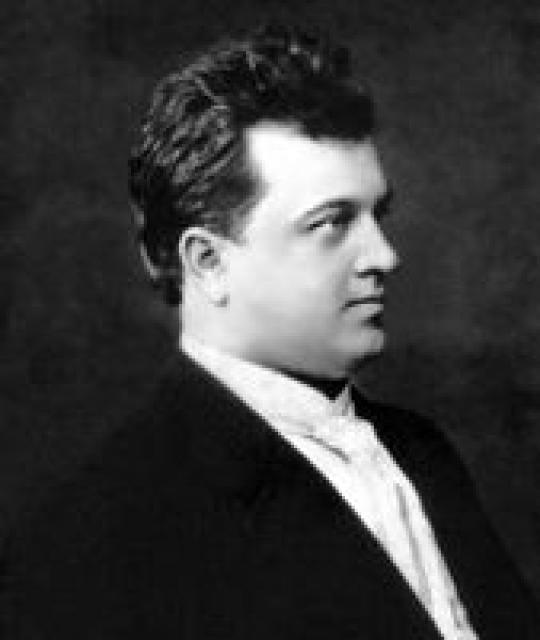
Adolfs Alunāns was a Latvian actor, director, and playwright, best known as the founder of the Latvian theater. He was born on September 29th, 1848 in Jelgava, Latvia, and passed away on June 22nd, 1912 in the same city.
Early Career
Alunāns began his career as an actor in German theater troupes in Derpt (now Tartu), Revel (Tallinn), and St. Petersburg. His talent and passion for theater led him to organize and lead the Riga Latvian Theater from 1870 to 1885, which was the first national theater in Latvia. He then went on to establish a traveling troupe in Jelgava from 1885 to 1904.
Playwright and Satirist
Alunāns was not only a talented actor and director, but also a prolific playwright. He wrote several comedies, including "The Novice" (1869 - the first original Latvian play), "The Cooper and His Wife" (1872), and "Charity Bazaar" (1911). He also wrote plays such as "Who Sang Late in the Evening," "Elders of Lielupe Parish" (both in 1888), "Six Little Drummers" (1890), and "All My Relatives Are Crying" (1891).
Legacy
Alunāns played a crucial role in the development of Latvian theater and the formation of a realistic direction in Latvian theatrical art. He trained and inspired the first generation of Latvian actors, and his work contributed to the preservation and promotion of Latvian culture.
Additional Contributions
In the 1880s and 1890s, Alunāns published satirical calendars and almanacs, where he wrote satires against the reactionary Latvian bourgeoisie, landlords, and clergy. He aimed to combat the "germanization" of Latvian culture and society.
Personal Life and Memoirs
Adolfs Alunāns published his memoirs in 1924, providing valuable insights into his life and the development of Latvian theater during his time. His dedication and contributions to the arts continue to be celebrated in Latvian culture today.