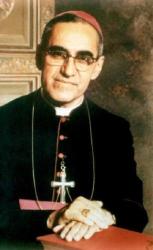
Agapetus I
 Italy
Italy- The Life and Papacy of Agapitus I
- Collaboration with Cassiodorus and Clerical Career
- Ascendancy to the Papacy and Early Reign (535-536)
- Diplomatic Missions to Constantinople
- Addressing Religious Issues in Constantinople
- Challenging the Emperor's Authority
- Correspondence and Legacy
- Death and Burial
The Life and Papacy of Agapitus I
Early Life and BackgroundAgapitus I, a Roman native of unknown birthdate, was the son of Gordian, a Roman priest who met a tragic end amidst the turmoil of Pope Symmachus's reign (498-514). His father's name suggests a connection to two other popes: Felix III (483-492) and Gregory I (590-604).
Collaboration with Cassiodorus and Clerical Career
Agapitus worked closely with Cassiodorus, aiding in the establishment of a library in Rome housing Greek and Latin ecclesiastical works. He assisted in the translation of Greek philosophers into Latin. As a "surviving Symmachian," Agapitus was likely ordained as a deacon around 502 during the Laurentian schism.
Ascendancy to the Papacy and Early Reign (535-536)
In 535, Agapitus was elected pope. His first act was to burn an anathema imposed by Boniface II against his deceased rival Dioscorus, who had been falsely accused of simony. Agapitus upheld the decrees of the Council of Carthage, barring bishops who had converted to Arianism from reinstatement within the Church. He also accepted the appeal of the bishop of Riez, condemned by a council in Marseilles for immorality, and ordered Caesarius of Arles to provide a new trial before papal delegates.
Diplomatic Missions to Constantinople
Amidst the impending invasion of Italy by Byzantine general Belisarius, Gothic king Theodahad dispatched Agapitus to Constantinople to intercede with Emperor Justinian. To finance this mission, Agapitus mortgaged the sacred cups of the Roman Church. In mid-winter, he embarked with five bishops and an extensive entourage.
Addressing Religious Issues in Constantinople
Upon arriving in Constantinople in February 536, Agapitus shifted the envoy's focus away from political matters and towards religious concerns. The Patriarch of Byzantium, Anthimus, had been accused of the Eutychian heresy and was installed by Empress Theodora despite clerical resistance. Agapitus confronted Anthimus, ordering him to renounce heresy and return to his own diocese.
Challenging the Emperor's Authority
When the emperor threatened him with exile, Agapitus boldly retorted, "In hope I came to behold the great Christian Emperor Justinian. In his place I have found a Diocletian, whose threats, however, do not dismay me." Agapitus ultimately prevailed, securing Justinian's approval for the ordination of Anthimus's successor, Mennas.
Correspondence and Legacy
Four letters from Agapitus have survived. Two addressed Justinian, responding to the emperor's rejection of Arianism. A third went to the bishops of Africa on the same topic. The fourth acknowledged the congratulations of Reparatus, the bishop of Carthage, upon his enthronement.
Death and Burial
Agapitus died on April 22, 536, after a reign of only ten months. His remains were interred in a lead coffin and transported to Rome, where they were buried in the vestibule of St. Peter's Basilica.