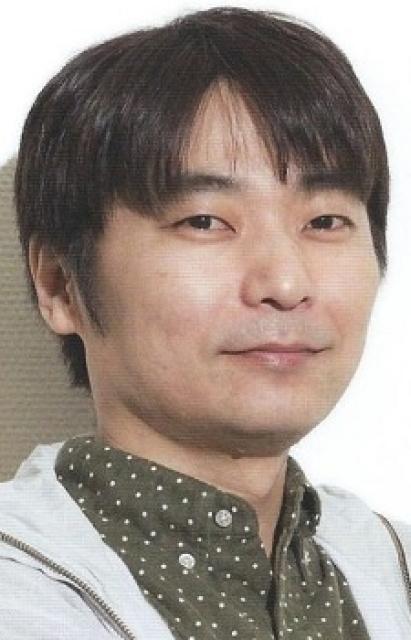
Akira Ishida
 Japan
- Early Life and Training
- Finding His Voice in Anime
- Breakthrough Roles and a Lasting Following
- An Expansive Career
- Awards and Recognition
- Public Image and Personal Life
A single scene can be enough to make an anime character unforgettable, and Akira Ishida has spent decades giving such moments their voice. From the enigmatic Kaworu Nagisa in Neon Genesis Evangelion to the coolly composed Athrun Zala in Mobile Suit Gundam SEED and the unpredictable Kotaro Katsura in Gintama, his performances have crossed genres and generations of Japanese pop culture. His career has grown through range and consistency: an actor who can make restraint feel charged, then pivot to broad comedy without losing the character’s core.
Early Life and Training
Ishida was born on 2 November 1967 in Nisshin, Aichi Prefecture, Japan. He studied in the Theatre Department at Nihon University’s College of Art, while also training at Ezaki Production’s acting school from 1988. After graduating, he entered professional voice work, beginning with a small role as a mechanic in the television anime Mobile Police Patlabor in 1990. Those early parts became the first steps in a career that would eventually include television animation, films, video games, radio dramas and dubbing.
Finding His Voice in Anime
During the 1990s, Ishida built experience across a wide range of productions. One early standout was Fish Eye in Sailor Moon SuperS, a role that demonstrated how naturally he could move away from conventional expectations for a male performer. He later played Cho Hakkai in Saiyuki, bringing a soft-spoken ease to a character whose calm exterior concealed a darker past.
A landmark role arrived with Kaworu Nagisa in Neon Genesis Evangelion. Kaworu appears late in the story, but his gentle manner and mysterious presence make him pivotal to the series’ emotional and philosophical climax. Ishida’s delicate, measured delivery helped the character linger in viewers’ minds long after his brief screen time.
Breakthrough Roles and a Lasting Following
In the early 2000s, Ishida’s work reached an even broader audience. As Athrun Zala in Mobile Suit Gundam SEED and its sequel, he voiced a principled young soldier caught between loyalty, friendship and the brutal logic of war. He also became known as Gaara in Naruto, a guarded and initially fearsome figure whose story develops into one of the franchise’s most affecting arcs.
His comic range found a particularly durable showcase in Gintama, where he voices Kotaro Katsura. Katsura’s earnest revolutionary ideals repeatedly collide with the absurdity around him, giving Ishida room to shift from deadpan seriousness to sudden silliness. Across these contrasting performances, a recognizable quality remains: a clear, controlled voice that can suggest vulnerability, intensity or mischief with only a small change in tone.
An Expansive Career
Ishida has continued to work steadily in major anime properties, films and games. Later prominent roles include Zeref in Fairy Tail, Makoto Yuki in the Persona 3 adaptations, and Akaza in Demon Slayer: Kimetsu no Yaiba. He also voices characters in game series such as Genshin Impact and Honkai: Star Rail, extending his reach beyond television and cinema. The variety of his credits reflects a performer able to make an impression whether a character is central to the plot or appears for only a handful of scenes.
Awards and Recognition
Fans voted Ishida the most popular voice actor in the 2004 Animage Anime Grand Prix. In 2007, he received the Best Supporting Actor award at the inaugural Seiyu Awards, with recognition tied to his performance as Athrun Zala. In March 2026, he won the Seiyu Awards’ Most Valuable Seiyu distinction, a fan-selected honor that showed his continuing connection with audiences decades into his career.
Public Image and Personal Life
Ishida’s public profile is centered on his work, and he has kept personal details largely outside the spotlight. For fans, his identity is especially bound to the characters themselves: the quiet intensity of Kaworu, Gaara’s guarded evolution, Athrun’s inner conflict and Katsura’s comic stubbornness. That ability to create sharply different personalities while maintaining a distinctive vocal presence has made him one of the most recognizable Japanese voice actors of his generation. He remains active in the profession, continuing to add new roles to a body of work that has accompanied anime audiences through several eras.