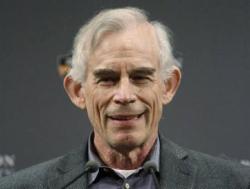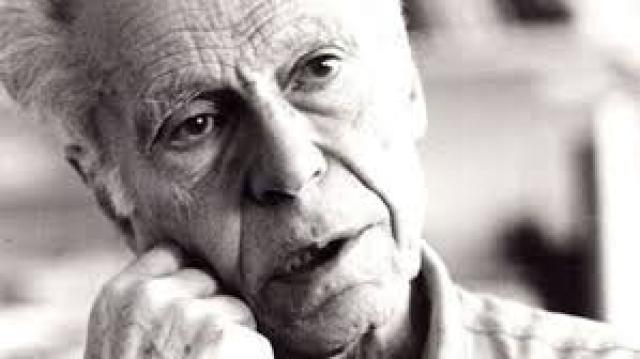
Albert Otto Hirschman
 Germany
Biography of Albert Otto Hirschman
Albert Otto Hirschman was a German economist and author known for his influential works in the field of political economy and political ideology. Born on April 7, 1915, in Berlin, Germany, Hirschman made significant contributions to the field of development economics. He emphasized the need for unbalanced growth in this area of economic theory.
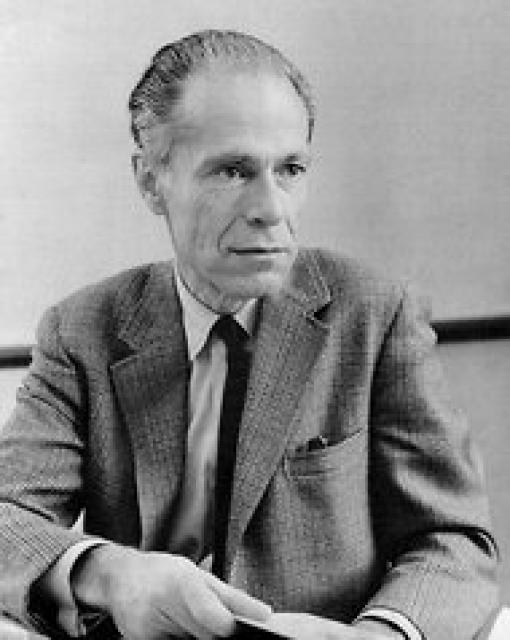
During World War II, Hirschman played a crucial role in the rescue of refugees in occupied France. He worked alongside American activist Varian Fry, leading an operation to help refugees, including prominent European artists and intellectuals, escape from France. Hirschman facilitated their journey across the Pyrenees Mountains to Spain and then to Portugal.
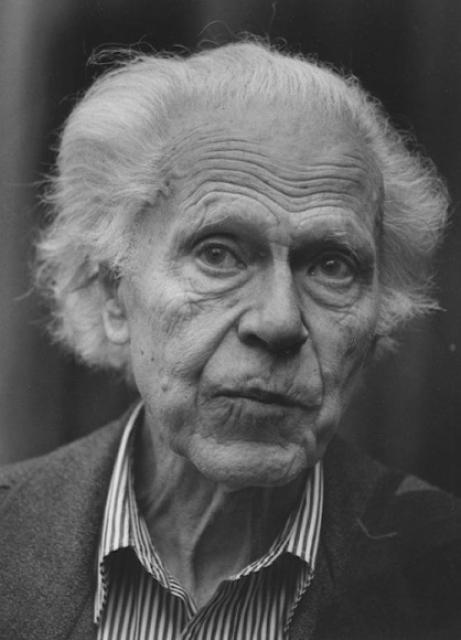
After France surrendered to the Nazis, Hirschman joined the United States army and served in the Strategic Services Office from 1943 to 1946. He headed the Western European and British Commonwealth section of the Federal Reserve System from 1943 to 1952. Hirschman also served as a financial advisor to the National Planning Council of Colombia from 1952 to 1954 and later as a private economic advisor in Bogotá until 1956.
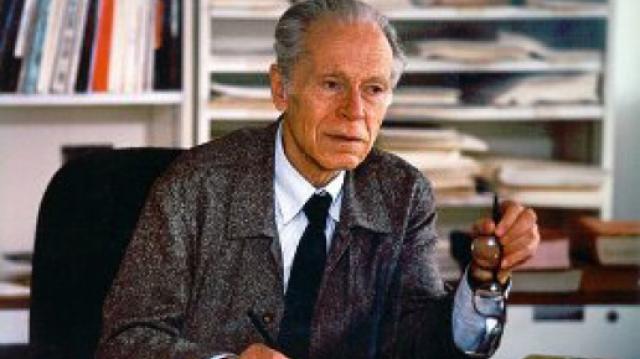
Following this, Hirschman focused on his academic career in economics. He returned to the United States in 1956 and worked at Yale University until 1958. He then joined Columbia University and remained there until 1964. From 1964 to 1974, Hirschman held a position at Harvard University, and from 1974 to 2012, he worked at the Institute for Advanced Study in Princeton, New Jersey.
Hirschman made significant contributions to the field of political economy with two influential works. In his book "Exit, Voice, and Loyalty: Responses to Decline in Firms, Organizations, and States," he described three main responses to deteriorating conditions in companies. His second work, "The Rhetoric of Reaction: Perversity, Futility, Jeopardy," discussed the primary arguments used by conservatives.
Hirschman also played a role in developing the concept known as the "Hiding Hand Principle." This idea suggests that when individuals undertake a project without knowledge of future obstacles, they choose a rational path for its implementation. The executor will use their creative potential to overcome any obstacles that arise during the process and will not want to abandon the project because they consider it too late to do so.
Albert Otto Hirschman passed away on December 10, 2012, in Ewing Township, New Jersey, at the age of 98.