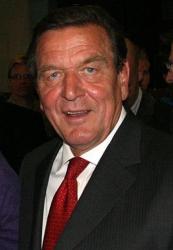
Alexander Todd
 Great Britain
Biography of Alexander Todd
Alexander Todd was an English organic chemist who was awarded the Nobel Prize in Chemistry in 1957. He was born in Glasgow to Alexander Todd and Jane Lowrie. Todd attended Allen Glen School and went on to study at the University of Glasgow, where he received a Bachelor of Science degree in organic chemistry in 1929.
Early Career
After a brief period gaining research experience, Todd became a doctoral student at the University of Frankfurt in Germany in 1931, studying organic chemistry. He was awarded a PhD in 1931 for his dissertation on bile acids. Todd then continued his studies at the University of Oxford as a doctoral student under R. Robinson, who was awarded the Nobel Prize in Chemistry in 1947. Under Robinson's guidance, Todd studied anthocyanins - pigments found in flowers such as roses, mallow, geraniums, cornflowers, and primroses. In 1933, Todd obtained his doctorate from the University of Oxford for his work on the synthesis of these pigments.
Contributions to Chemistry
Returning to Scotland in 1933, Todd began working as an assistant in the Department of Medical Chemistry at the University of Edinburgh. He collaborated with George Barger (1878-1939) to study the structure of vitamin B1 (thiamine) and successfully synthesized thiamine in crystalline form. This synthesis method was later used in the pharmaceutical industry for the production of vitamin B1.
In 1939, Todd began lecturing on biochemistry at the Lister Institute of Preventive Medicine in London. He focused his research on vitamins E and B12 and studied the therapeutic properties of Cannabis saliva (marijuana). In the same year, Todd became a professor of chemistry and the head of the chemical laboratories at the University of Manchester. He also served as a visiting professor at the California Institute of Technology during this time. Todd completed his research on vitamin E and Cannabis saliva in Manchester.
In 1939, Todd started studying nucleic acids and nucleotide cofactors. His work on nucleic acids gained significant attention, especially after Thornburn Caspersson (Sweden) and J.L. Brachet (Belgium) proposed that ribonucleic acids (RNA) were essential for protein synthesis in cells. In 1944, Oswald Theodore Avery (1877-1955) and his colleagues (USA) demonstrated that genetic material consists of DNA. However, the mechanism by which individual components of nucleotides - phosphate, carbohydrate, and nucleic base - are linked together, as well as how mononucleotides are connected in the polymer molecule of nucleic acids, remained unknown. Todd made significant contributions towards solving these problems.
Nobel Prize and Later Career
In 1957, Todd was awarded the Nobel Prize in Chemistry for his work on nucleotides and nucleotide cofactors. In his acceptance speech, Todd was praised for laying a "solid foundation... for future developments in this field." His research on nucleic acids, combined with the work of other scientists, led to the establishment of the structure of ribonucleic acid (RNA) and deoxyribonucleic acid (DNA). Todd's contributions also paved the way for the concept of "one gene-one protein" and the deciphering of the genetic code, which revolutionized the field of genetics.
In 1962, Todd was elevated to the peerage and became Baron Todd of Trumpington. The following year, he became the Master of Christ's College at the University of Cambridge and played a significant role in the establishment of Churchill College. Todd was actively involved in international scientific activities and served as the president of the International Union of Pure and Applied Chemistry. He also held various positions in government commissions and was the chairman of the British Government's Advisory Council on Scientific Policy.
Throughout his career, Todd published numerous scientific papers and authored books on topics such as nucleic acids and the future of organic chemistry. His work has had a lasting impact on the understanding of genetics and organic chemistry.