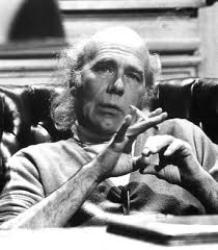
Alexandr Hackenschmiel
 USA
USA- Cinematographer and Filmmaker
- Early Life and Career in Czechoslovakia
- Transition to the United States
- The Private Life of a Cat and Collaboration with Francis Thompson
- Retirement and Legacy
Cinematographer and Filmmaker
Alexandr Hackenschmied(December 17, 1907 - July 26, 2004) was a renowned photographer and figure in the Czechoslovak film industry during both World Wars. In 1938, he immigrated to the United States and became involved in American avant-garde cinema.
Early Life and Career in Czechoslovakia
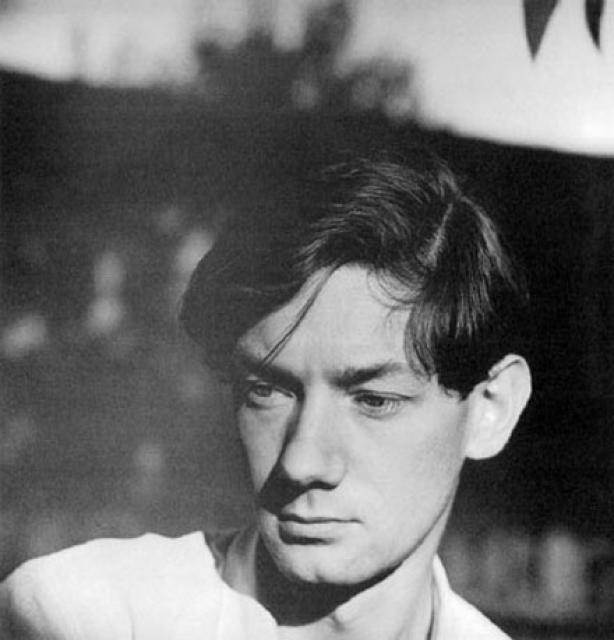
As a photographer and filmmaker, Hackenschmied made significant contributions to the development of avant-garde cinema in Czechoslovakia. In 1930, he released his first film, "Bezúčelná prochazka" ("Aimless Walk"), which is often cited as the birth of avant-garde filmmaking in his country. He organized the Exhibition of New Czech Photography at the Aventinska Mansarda in Prague, showcasing the works of Avantinum publishers. Additionally, he established the first exhibition of European avant-garde cinema at the Kotva cinema in Prague.
Transition to the United States
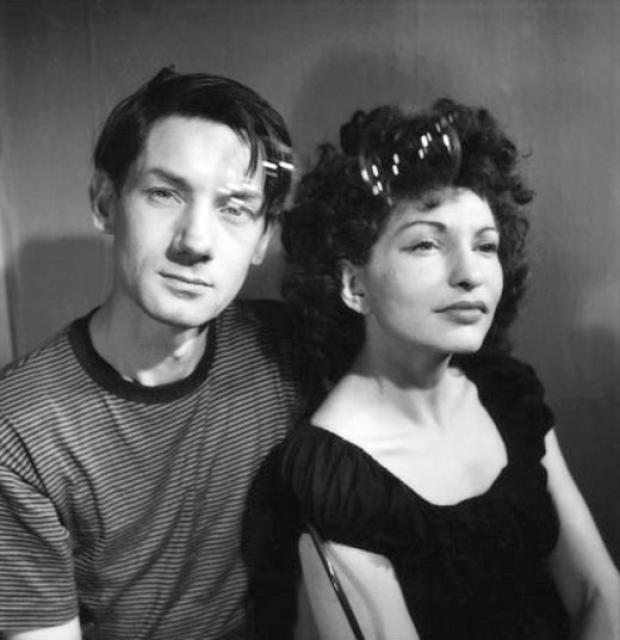
After moving to the United States in 1938, Hackenschmied changed his surname to "Hammid" shortly after becoming an American citizen. He became known for directing, filming, and editing documentaries. He collaborated with Herbert Klein on the feature-length documentary "Crisis" before meeting Maya Deren. Together, they released the acclaimed "Meshes of the Afternoon." Other notable works include "The Forgotten Village," "The Valley of Tennessee," and "A Better Tomorrow."
The Private Life of a Cat and Collaboration with Francis Thompson
In 1947, Hammid made the short film "The Private Life of a Cat." Filmed entirely in their Morton Street apartment in Manhattan, it captured the quotidian life of cats, with a particular focus on the relationship between a tomcat and a pregnant female cat who gives birth to five kittens.
For 25 years, Hammid collaborated with filmmaker Francis Thompson on various documentary and feature films. Their most famous work was "TO FLY!" (1976), the first IMAX film for the National Air and Space Museum of the Smithsonian Institution. They also produced other IMAX films together.
Retirement and Legacy
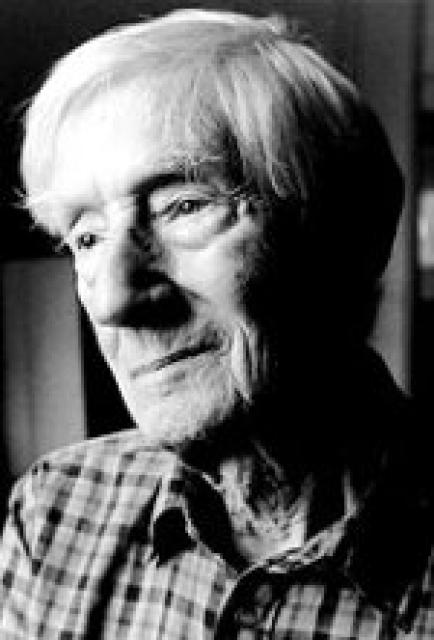
In the late 1960s, Hammid largely withdrew from filmmaking and remained retired until his death in 2004. His pioneering work in photography and avant-garde cinema continues to inspire filmmakers and artists today.