Andrea and Paul Annear
- A relationship that began in childhood
- Their wedding
- Life together and Andrea’s death
- Public significance
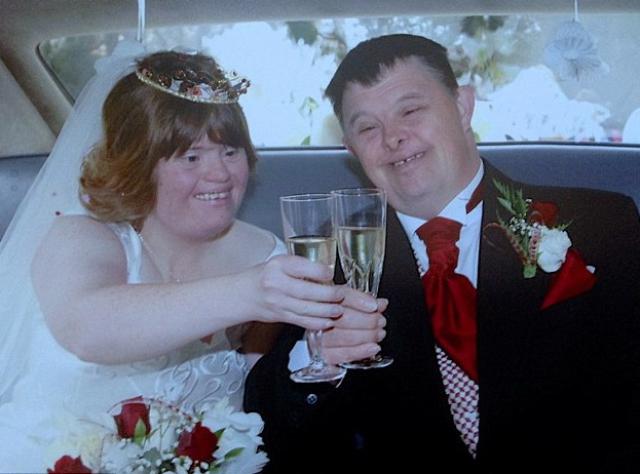
Andrea and Paul Annear were a married couple from Lancashire, England, whose relationship drew national attention as they pressed for the chance to marry. Both had Down syndrome, and their story became part of a wider conversation about autonomy, relationships and how people with learning disabilities should be supported to make choices about their own lives. They married in 2004 after years together and repeated efforts to have a traditional church wedding.
A relationship that began in childhood
Andrea and Paul met when they were young children and grew up in care and support settings in the Lytham St Annes area. They became close and were often described by people who knew them as inseparable. Their connection continued as they entered adulthood, despite periods when they lived in different settings and had limited opportunities to see each other.
Their relationship challenged assumptions made by some professionals and caregivers about whether two adults with Down syndrome could understand marriage and its responsibilities. Rather than accept those judgments as final, Andrea and Paul continued to express what they wanted: to share their lives as a married couple.
Their wedding
The Annears received a small blessing in 1999 while Andrea lived in a group home. Their goal, however, was a formal wedding at the church they attended. After years of discussion with people involved in their care, the couple married in Lytham St Annes in September 2004. Their wedding was widely covered in the British press, which often described them as one of the first couples with Down syndrome in the country to marry.
Their experience highlighted difficult questions about how families and support services balance safety with personal choice. Some people around them worried about the legal meaning of marriage and the possibility of pregnancy, particularly because Andrea had a long-term heart condition. Andrea and Paul continued to make their wishes clear. Their insistence that they were a wife and husband helped bring public attention to the importance of listening to people with disabilities as individuals.
Life together and Andrea’s death
The couple shared their married life in the Lancashire community where they had grown up. Andrea was known locally, and accounts of their relationship emphasized the affection and companionship they shared. Their story was not simply about a wedding ceremony: it was also about the ordinary importance of having a partner, being recognized as a couple and building a life together.
Andrea died in March 2015, aged 45, from heart failure associated with a long-term heart condition. Her death was reported with sadness by people in the area and by national media. Paul was left to grieve the loss of the woman who had been his partner since childhood.
Public significance
The Annears’ story became a widely shared example of a couple with Down syndrome making their own decision about marriage despite doubts from others. Coverage sometimes cast their wedding as a novelty, but their lasting significance lies in the question their experience raised: who gets to decide what an adult with a learning disability wants for their life?
Their relationship brought attention to the need for support that respects both safety and personal agency. Andrea and Paul wanted what many couples want—to be together, to make a commitment and to have that commitment recognized. Their story remains a reminder to treat people with disabilities as people with relationships, preferences and the right to be heard.