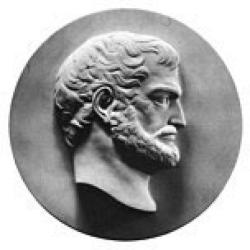
Andrey Kurbskiy
- Prince Andrey Mikhailovich Kurbsky
- Political Ascendancy
- Defection to Lithuania
- Life in Exile
- Political and Religious Views
- Literary Legacy
- Death and Legacy
Prince Andrey Mikhailovich Kurbsky
Early Life and Military CareerBorn in October 1528, Prince Andrey Mikhailovich Kurbsky rose to prominence in the Russian court as a close associate of Ivan the Terrible. At the age of 21, he participated in the first siege of Kazan and later served as a воеvod in Pronsk.
In 1552, Kurbsky led the forces that defeated the Tatars near Tula, earning wounds but returning to the battlefield within eight days. During the siege of Kazan, he commanded the right wing of the army and played a crucial role in the victory. Subsequent military campaigns against the Tatars and Cheremis further solidified his reputation.
Political Ascendancy
Kurbsky's military prowess brought him great favor with the Tsar. He became one of Ivan's most trusted advisors and allied with the reformist party led by Silvestr and Adashev. However, as Ivan's reign descended into paranoia and tyranny, Kurbsky faced growing danger.
Defection to Lithuania
When Russian forces faced setbacks in Livonia, Ivan accused Kurbsky of treason and threatened to punish him. Fearing for his life, Kurbsky fled to Lithuania in 1563 or 1564, accompanied by loyal followers.
Life in Exile
In Lithuania, Kurbsky was warmly welcomed by King Sigismund-Augustus and granted several estates, including the city of Kovel. He quickly assimilated into Polish-Lithuanian society and engaged in a variety of activities, sometimes leading to conflicts with other nobles.
Political and Religious Views
As an exile, Kurbsky wrote extensively about his political and religious beliefs. He criticized Ivan's autocratic rule and argued for the rights of the boyar aristocracy. He also denounced corruption and superstition, and promoted education as a means of preserving the Russian state.
Literary Legacy
Kurbsky's writings include:"History of the Grand Prince of Moscow"
"Four Letters to Ivan the Terrible"
"Letters" to various individuals
"Preface to the New Margarita"
"Preface to Damaskin's 'Heaven'"
"Notes on translations from Chrysostom and Damaskin"
"History of the Florentine Council"
Assessment
Kurbsky's legacy is complex and contested. Some scholars view him as a conservative opponent of Ivan's reforms, while others see him as a sincere patriot and a defender of truth. His writings provide valuable insights into the political and intellectual landscape of 16th-century Russia.
Death and Legacy
In 1583, Kurbsky passed away in exile. His son, Dimitri, eventually inherited some of his property but later converted to Catholicism. The memory of Kurbsky has been both celebrated and vilified over the centuries, fostering ongoing debates about his character and influence.