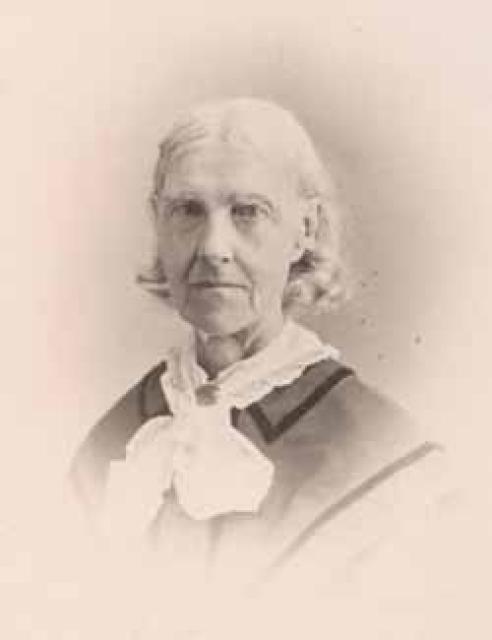
Angelina Grimke
 USA
USA- Angelina Grimké: A Pioneering Abolitionist and Suffragist
- A New Calling: Abolitionism
- Lecturing and Activism
- Marriage and Later Life
Angelina Grimké: A Pioneering Abolitionist and Suffragist
Early Life and Religious AwakeningAngelina Grimké was born into a wealthy planter family in Charleston, South Carolina. Despite her conservative upbringing, she developed a strong curiosity and a rebellious spirit from a young age. At age 13, she refused to recite a church oath that affirmed the inferiority of non-white people.
Her faith played a significant role in her life. She converted to Presbyterianism at 21 and became an active advocate for enslaved people, going so far as to preach to them. In 1829, she unsuccessfully attempted to persuade her fellow church members to free their slaves.
A New Calling: Abolitionism
After her disappointment with the Presbyterian Church, Grimké joined the Quaker community and moved to Philadelphia with her sisters. There, she became deeply involved in the abolitionist movement, particularly through the Philadelphia Female Anti-Slavery Society.
In 1835, she began a correspondence with renowned abolitionist William Lloyd Garrison, resulting in the unauthorized publication of her letters. This event solidified her reputation as a radical voice within the movement, sparking both admiration and controversy.
Lecturing and Activism
Grimké and her sister Sarah embarked on a lecture tour in the Northeast in 1838. They spoke to overflowing churches about the evils of slavery and the rights of women. Grimké was a charismatic speaker, challenging both Southern slaveholders and Northern complacency.
Her lectures faced criticism, particularly from slaveholders. However, her message resonated with many abolitionists, who recognized her unwavering commitment to justice.
Marriage and Later Life
In 1838, Grimké married Theodore Dwight Weld, a fellow abolitionist. After their marriage, she focused primarily on domestic life, raising a family and supporting her husband's work. Grimké passed away in 1879 at the age of 74, leaving behind a legacy as a fearless advocate for human rights.