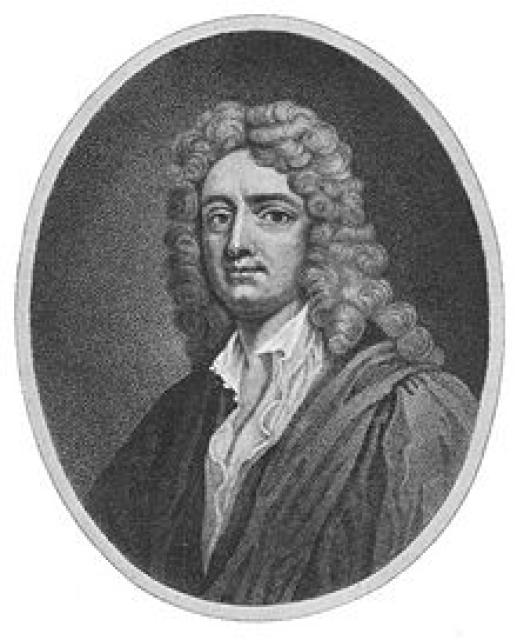
Anthony Shaftesbury
 Great Britain
- Anthony Ashley Cooper, 3rd Earl of Shaftesbury
- Political Involvement and Philosophical Inquiries
- The House of Lords and Political Withdrawal
- The Enlightenment and the "Moral Sense"
- The "Ridicule Test" and "Characteristicks"
- The Arts and Italy
- Death and Legacy
Anthony Ashley Cooper, 3rd Earl of Shaftesbury
Early Life and EducationAnthony Ashley Cooper was born in London on February 26, 1671, into a politically influential family. As the grandson of the famous Lord Chancellor during Charles II's reign, he received a privileged upbringing. Under the tutelage of renowned philosopher John Locke, Cooper's home education laid the foundation for his future intellectual pursuits. He later attended Winchester College.
Political Involvement and Philosophical Inquiries
In 1695, Cooper entered the House of Commons as a Whig MP for Poole. However, health issues forced him to resign and dedicate himself primarily to philosophy. He spent a year in Rotterdam, where he befriended influential intellectuals such as Jean LeClerc, Pierre Bayle, and Franciscus van Limborch.
The House of Lords and Political Withdrawal
In 1699, Cooper inherited the title Earl of Shaftesbury and a seat in the House of Lords. But his political involvement waned as the Tory party regained power after Queen Anne's accession. Moreover, his health continued to deteriorate.
The Enlightenment and the "Moral Sense"
Inspired by the Enlightenment's emphasis on reason and nature, Shaftesbury developed a philosophy that emphasized the harmonious unity of nature as evidence of its divine origin. Virtue and beauty, he argued, were manifestations of this harmony. To apprehend them, he proposed a "moral sense," a faculty mediating between reason and sensation. Shaftesbury's theory of moral sentiments influenced subsequent philosophers, including Francis Hutcheson, David Hume, and others.
The "Ridicule Test" and "Characteristicks"
In his "Letter Concerning Enthusiasm" (1708), Shaftesbury advocated for ridicule as a tool for testing the validity of beliefs. This idea raised suspicions about the seriousness of his own ideas, which were further explored in his three-volume work "Characteristicks of Men, Manners, Opinions, Times" (1711-1713).
The Arts and Italy
Seeking a warmer climate, Shaftesbury traveled to Naples in 1711. During his two-year sojourn in Italy, he reworked "Characteristicks" and wrote several other works, including a discourse on the arts.
Death and Legacy
Anthony Ashley Cooper, 3rd Earl of Shaftesbury, died in Naples on February 15, 1713. His philosophy, a synthesis of Platonic idealism and Enlightenment rationalism, challenged the thought of Hobbes and religious orthodoxy. His ideas played a significant role in shaping the Romantic movement and influencing philosophers from Bolingbroke to Kant and the German Idealists.