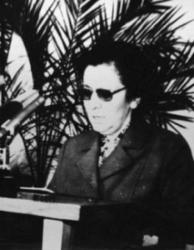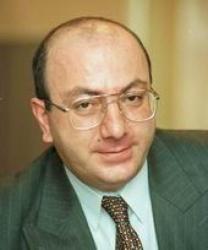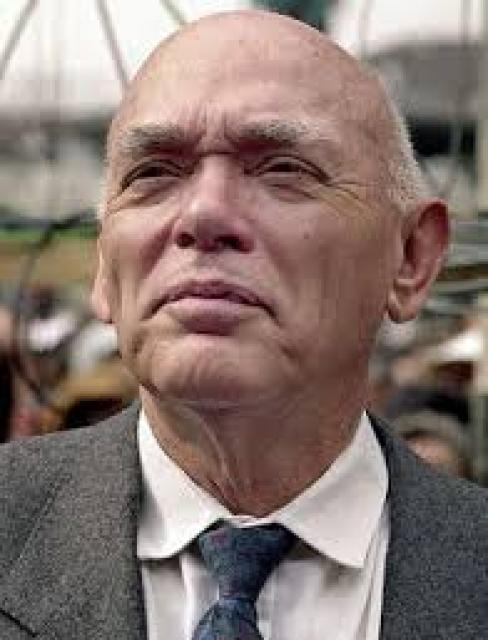
Antonio Alva Rosa Coutinho
 Portugal
- António Alva Rosa Coutinho: A Revolutionary Leader
- Capture and Imprisonment
- Political Rise
- The Carnation Revolution
- Governor of Portuguese Angola
- Later Career
- Political Decline
- Retirement and Legacy
António Alva Rosa Coutinho: A Revolutionary Leader
Early Life and Military CareerBorn into a military family on August 12, 1922, António Alva Rosa Coutinho exhibited a passion for the sea from an early age. In 1944, he joined the Portuguese Naval College and rose through the ranks, obtaining the rank of Navy Lieutenant in 1948. He specialized in hydrographic engineering at the University of Lisbon and served on hydrographic ships in the Portuguese navy. By 1954, he had become a Lieutenant Commander and in 1960, he was appointed head of the Hydrographic Mission of Angola and São Tomé and Príncipe.
Capture and Imprisonment
On August 12, 1962, while on patrol in Angolan territorial waters, Coutinho was captured by guerrillas from Holden Roberto's National Liberation Front of Angola (FNLA). He was imprisoned in the Kinkuzu military training camp in the Democratic Republic of Congo, where he endured months of humiliation. After extensive negotiations, Coutinho was released and returned to naval service.
Political Rise
Coutinho's capture and subsequent release propelled him into the public eye, earning him the respect of the Portuguese military. In 1964, he served in Mozambique, where he rose to the rank of Commander in 1969. Despite his open left-wing views, Coutinho's reputation and influence grew within the navy. In 1973, he was appointed commander of the frigate "Almirante Pereira da Silva."
The Carnation Revolution
On April 25, 1974, the Carnation Revolution overthrew the authoritarian Estado Novo regime. Coutinho's authority and convictions placed him at the forefront of the revolutionary movement. He joined the ruling National Salvation Council (CNS), representing the navy alongside Admiral José Batista Pinheiro de Azevedo.
Governor of Portuguese Angola
In July 1974, Coutinho was appointed interim governor of Angola, a Portuguese colony on the cusp of independence. His tenure was marked by complex political challenges, as the colony faced internal conflicts between three major liberation movements: FNLA, MPLA, and UNITA. In interviews, Coutinho expressed his belief that the future of Angola should be determined by its people, emphasizing the need to balance the influence of different factions.
Later Career
After Angola gained independence in 1975, Coutinho returned to Portugal and became an active participant in drafting revolutionary laws. He served on the newly formed Revolutionary Council and led the Administrative Services of the Council. Despite his radical views, Coutinho's support for certain policies, such as nationalization and land reform, alienated some within the military.
Political Decline
Coutinho's left-leaning beliefs ultimately hindered his political and military advancement. In 1975, he was relieved of his duties as commander-in-chief of the navy. His outspoken criticism of government decisions and his alleged involvement with certain extremist groups led to his dismissal from the Revolutionary Council in November 1975.
Retirement and Legacy
Coutinho officially retired from the navy in 1991 and devoted himself to writing and humanitarian work. He published several books, including "Hierarchy and Naval State" (1978), in which he expressed his views on the role of the military in a democratic society.
António Alva Rosa Coutinho passed away on June 2, 2010, leaving behind a complex legacy as a revolutionary leader, controversial governor, and influential thinker. His contributions to Portuguese history and the decolonization process continue to be debated today.