Aphra Ben
 Great Britain
- Aphra Behn: A Pioneering Novelist and Playwright
- Marriage and Royal Intrigues
- The Birth of a Professional Writer
- Literary Triumph: "Oroonoko"
- Legacy and Recognition
Aphra Behn: A Pioneering Novelist and Playwright
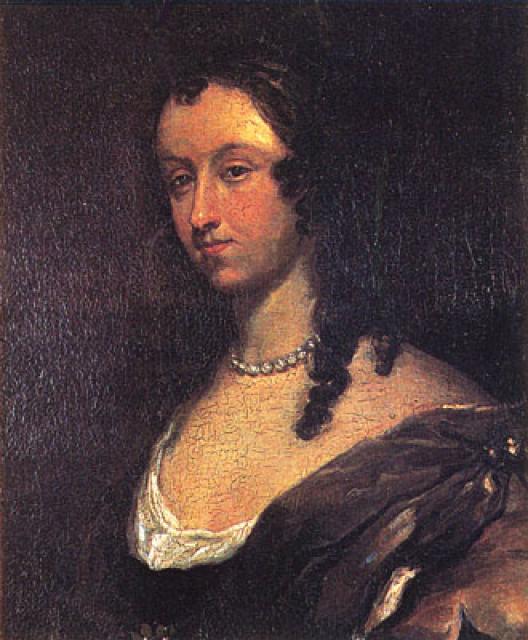
Early Life and InfluencesAphra Behn, born in the village of Wye near Canterbury, was the daughter of a barber. Little is known about her early life, but it is speculated that she received a Catholic education and may have considered becoming a nun. In 1663, she visited an English sugar plantation on the Surinam River, where she claimed to have met and conversed extensively with an enslaved African aristocrat.
Marriage and Royal Intrigues
Returning to England, Aphra married Johan Behn, a German or Dutch merchant living in London. The marriage lasted only a few years and appears to have been a facade to provide social respectability while she pursued her bisexual inclinations. By 1666, she had established connections at court and served as a secret agent for King Charles II in Antwerp during the Anglo-Dutch War.
The Birth of a Professional Writer
After being imprisoned for debt for a period, Aphra Behn became a professional writer in 1669. Benefiting from her network of literary contacts, she quickly gained success with her erotic novellas, plays, and poems. Many of her plays, reflecting the libertine spirit of the Restoration, were risqué and some were adaptations of earlier works.
Literary Triumph: "Oroonoko"
Aphra Behn's greatest literary achievement is her novel "Oroonoko, or the Royal Slave" (1688). This work portrays the plight of an African prince who searches for his enslaved love and ultimately leads a slave rebellion. The novel explores themes of slavery, race, and colonialism, and features one of the earliest examples of the "noble savage" trope in European literature.
Legacy and Recognition
Aphra Behn died in 1689 and was buried in Westminster Abbey. Her work was initially dismissed as frivolous, but starting in the early 20th century, her writing has experienced a resurgence in popularity. Virginia Woolf championed Behn, recognizing her as a pioneer who "won for women the right to express their thoughts." Today, Behn is widely studied in universities and her works are considered classics of English literature. Feminist critics have particularly embraced her work, illuminating themes of gender and sexuality.