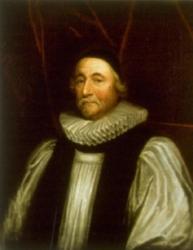
Archbishop Andrew
- Early Life and Influences
- Priesthood and Secret Ministry
- Hidden Temple and Persecution
- The German Occupation
- Retreat to the West
- Pastor in Berlin
Early Life and Influences
Adrian was born into a modest industrialist family in Russia. His early passions included the writings of Fyodor Dostoevsky and the teachings of the Optina Elders, particularly Anatolia-Junior and Nectarius.
Priesthood and Secret Ministry
In 1921, Adrian became a deacon and priest, serving at the Alexander Nevsky church in Romny. After the church's closure in 1926, he moved to Kiev, where he conducted secret services, evading registration as a priest. Despite his arrest and illness in 1930, he eventually legalized his status in 1934.
Hidden Temple and Persecution
From 1935, Adrian continued his secret ministry, organizing a hidden home temple in Kiev. He faced constant threats of arrest and often found refuge in the homes of his spiritual children. During the NKVD's mass arrests, he concealed himself in the backyard of a Protestant professor's house to avoid endangering the family.
The German Occupation
With the German occupation in September 1941, Adrian resumed open ministry, becoming the spiritual father of the Pokrovsky Convent. He dedicated himself to helping the needy, establishing a home for the elderly and disabled, as well as a hospital. His spiritual guidance at this time was influenced by the visionary elder, Schiarchepiscope Antony (Abashidze).
Retreat to the West
In 1943, as Soviet forces approached Kiev, Adrian departed with members of his community, including the future Bishop Nectarius (Koncevich). He believed that many fled Germany not out of fear but to preserve their Christian way of life.
Pastor in Berlin
In Berlin, Adrian served as the dean of the Resurrection Cathedral and ministered to a diverse congregation of Russian émigrés, prisoners of war, and refugees. Despite Allied bombings, he continued daily services and opened a parish dining hall, providing sustenance and support to those who had lost everything.