Arthur Bliss
 Great Britain
- Arthur Bliss: A Renowned British Composer
- Military Service and Musical Emergence
- Later Works and Recognition
- Honors and Legacy
Arthur Bliss: A Renowned British Composer
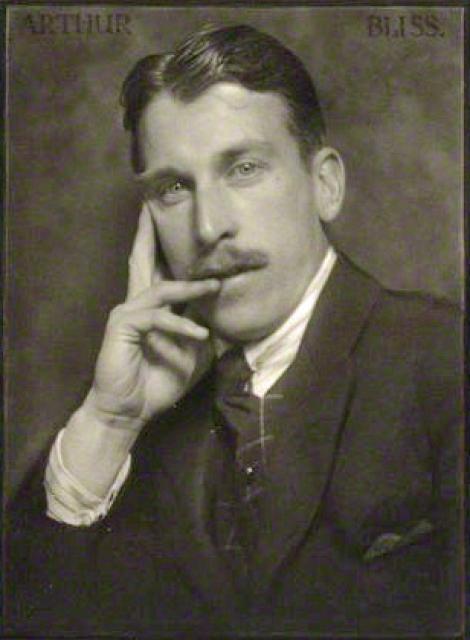
Early Life and EducationArthur Bliss was a British composer renowned for his innovative and expressive works. He began his musical journey at the Royal College of Music, where he studied under the tutelage of the esteemed Charles Villiers Stanford.
Military Service and Musical Emergence
During World War I, Bliss served as an infantry officer. Upon returning to England, he quickly established himself as a prominent figure in British music with a series of bold compositions. Among these were the Concerto for Tenor, Piano, and Strings (a wordless vocal part), and the Colour Symphony (1922), which explored the idea of sound associations with colors.
Later Works and Recognition
While Bliss's early works showcased his experimental nature, his subsequent compositions became more restrained and introspective. Notable pieces from this period include the opera "Olympians" (1949), the tele-opera "Tobias and the Angel" (1960), the ballet "Checkmate" (1937), and the symphony "Morning Heroes" (1930), featuring a narrator and chorus.
Honors and Legacy
In recognition of his contributions to British music, Bliss was appointed Master of the King's Music in 1953. He left an enduring legacy as an innovative and influential composer whose works continue to be performed and appreciated worldwide.