Ashraf Pahlavi
 France
- Ashraf Pahlavi: The Resilient Princess
- Early Life and Struggles
- Advocacy for Women's Rights
- The Role in Operation Ajax
- Advocating for Literacy
Ashraf Pahlavi: The Resilient Princess
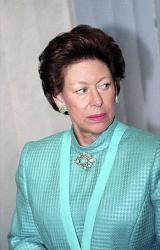
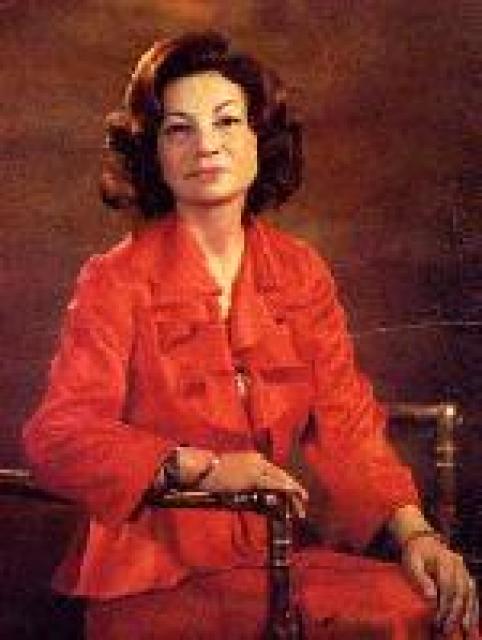
Ashraf Pahlavi, the twin sister of Mohammad Reza Pahlavi, the last Shah of Iran, currently resides in Paris, France. As the oldest living member of the family, Princess Ashraf has mostly remained in the shadows after the Iranian Revolution, only resurfacing through her published memoirs in the mid-1990s. Since 1981, she has refrained from making any public statements or giving interviews.
Early Life and Struggles
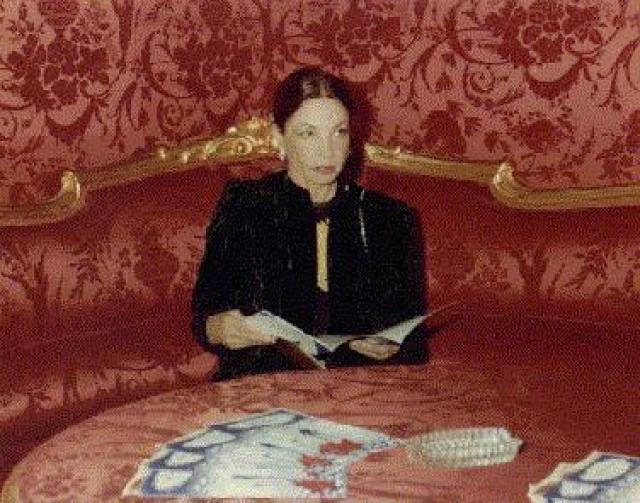
Princess Ashraf ul-Mulk Pahlavi was born on October 26, 1919. In her youth, she had low self-esteem, disliking "what she saw in the mirror." She wished for a different face, "clearer skin, and a taller stature." She always believed that "there were very few people in the world shorter than her." Perhaps these psychological difficulties contributed to her becoming a stronger individual.
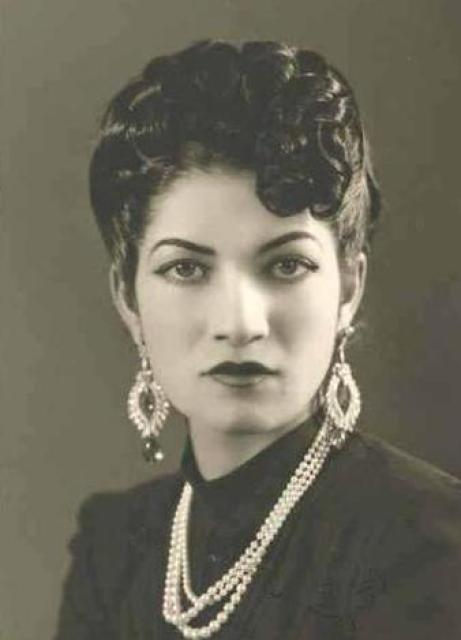
Ashraf reminisces, "Two decades ago, French journalists nicknamed me 'The Black Panther.' I must admit that in some ways this name suits me. Like a panther, I am wild, rebellious, and self-confident by nature. Often, it is only through great efforts that I keep my emotions to myself and appear calm in public. But truth be told, I sometimes regret not having panther claws to attack the enemies of my country."
Advocacy for Women's Rights
Princess Ashraf staunchly advocated for women's rights in Iran and across the world during her brother Mohammad Reza Pahlavi's reign. In 1975, she played a significant role in promoting the International Women's Year, addressing the United Nations. Pahlavi stated, "I recognize that I, as a woman, paid the price from childhood in terms of education and personal freedom. But I never thought about the specific areas where women would be more oppressed than men."
According to her, she did not advocate for radical reforms but aimed to provide women with basic necessities, including "food, education, and healthcare." In 1934, Princess Ashraf and her sister, Princess Shams, became the first Iranian women to remove their veils. In her 1980s memoirs, Pahlavi acknowledged the hardships faced by women in her country and expressed concern over their plight, stating, "The news of what was happening to the women of Iran was extremely painful... They were segregated and reduced to second-class status... Many were thrown into prison or exiled."
The Role in Operation Ajax
In 1953, Ashraf played a vital role in Operation Ajax, the coup d'état in Iran, convincing her brother Mohammad Reza Pahlavi to approve the CIA and MI6-funded operation. Initially, the Shah was against the operation and resisted it for some time. At the beginning of 1953, Ashraf met with CIA agents who requested her assistance in persuading her brother. According to Stephen Kinzer's book "All the Shah's Men," Ashraf enjoyed her life in French casinos and nightclubs when one of the top Iranian Roosevelt agents, Asadollah Rashidian, offered to pay her for cooperation. She showed little interest, and the next day, a delegation of American and British agents presented her with a more enticing offer.
The head of the delegation, a high-ranking British operative named Norman Darbyshire, presented the princess with a mink coat and a bundle of money. Darbyshire, recalling that time, said that Ashraf's eyes lit up, and her resistance crumbled. Whether this is true or not, some historians claim that the coup would have happened even without Ashraf's influence on her brother and that Mossadegh would have been ousted as Prime Minister regardless.
Advocating for Literacy
Pahlavi also advocated for international literacy, especially in Iran, where her brother was a leading proponent in the fight against illiteracy. In 1967, she worked with the UN as an Iranian delegate to the Commission on Human Rights and the Economic and Social Council. In 1976, an unsuccessful and mysterious assassination attempt took place at her French Riviera villa when fourteen bullets were fired towards her Rolls-Royce. While her passenger was killed, Princess Ashraf escaped unharmed.