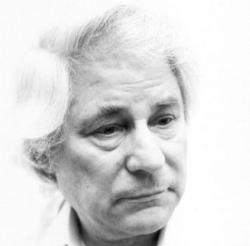
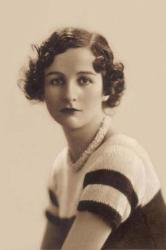
Assiia Debar
 Algeria
- Assia Djebar: A Pioneer of Arab Literature
- Literary Breakthrough
- Recognition for "Far from Medina"
- Influence and Legacy
- Independent Perspective
- Global Impact
Assia Djebar: A Pioneer of Arab Literature
Early Life and EducationAssia Djebar was born in the northern region of Algeria to a French father who worked as a teacher. After attending French school in Algeria, she furthered her education in France, which became her second home. She pursued a degree in history, laying the foundation for her future literary endeavors.
Literary Breakthrough
In 1957, Djebar released her debut novel, "The Doubtful," which was followed by her acclaimed work "Women of Algiers." These publications established her as a significant voice in Arab literature. In 1980, she received the prestigious Peace Prize from the German Booksellers Association at the Frankfurt Book Fair, becoming the first Arab woman to receive this honor.
Recognition for "Far from Medina"
Djebar's novel "Far from Medina" earned her international recognition for its exploration of themes that would become central to her work: the equality of men and women in the Arab world and religious tolerance. This book continued the leitmotif of her earlier works, challenging societal norms and advocating for social progress.
Influence and Legacy
Djebar's writing transcended the boundaries of Algeria, resonating with readers across the Muslim world and those living in non-democratic societies. Her books addressed issues of colonialism, gender inequality, and the struggles faced by oppressed peoples.
Independent Perspective
Djebar's writing drew criticism from some who questioned her "outsider's perspective" on Algeria. However, she defended her stance, stating that she wrote "with a certain distance" but always with the intention of connecting with the heart of her homeland.
Global Impact
Assia Djebar's literary contributions have left an indelible mark on world literature. Her unwavering commitment to social justice and human rights continues to inspire readers around the globe. As a pioneering Arab writer, she has played a pivotal role in shaping the narrative of marginalized communities and fostering greater understanding across cultures.