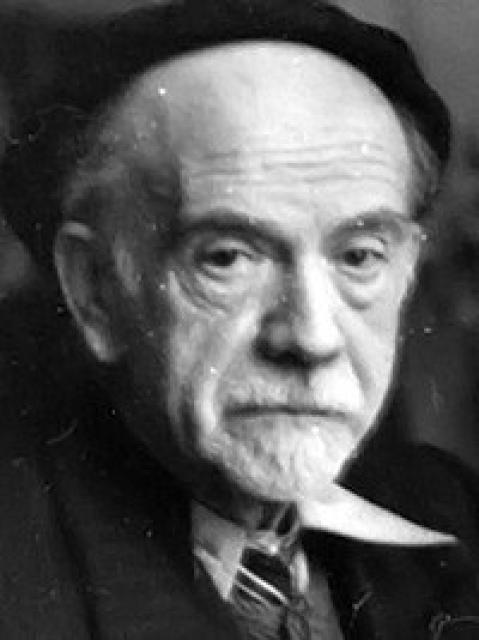
Baroja-y-Nessi Pio
 Spain
Spain- Early Life and Education
- Political Involvement
- Literary Career
- Novel Trilogies
- Historical Novels
- Writing Style
- Legacy
Early Life and Education
Pío Baroja y Nessi was born on December 28, 1872, in San Sebastian, Spain. He initially pursued medical studies and practiced for two years in a Castilian village. However, he later owned a bakery in Madrid before dedicating his life to journalism.
Political Involvement
During the early 20th century, Baroja actively engaged in politics. He ran for the Cortes as a Republican candidate twice but was unsuccessful both times. He became a prominent member of the "Generation of '98," a collective of intellectuals and writers who sought to critique and revitalize Spanish society.
Literary Career
Baroja's literary career spanned several decades. He wrote novels, essays, and autobiographical prose. His novels are characterized by their diversity and realism, often dealing with the lives of ordinary people and the social issues of his time.
Novel Trilogies
Between 1900 and 1913, Baroja published several trilogies, including:- "The Basque Country" (La Tierra Vasca), which included his acclaimed novel "The Lord of Labraz" (El Mayorazgo de Labraz).
- "The Struggle for Existence" (La Lucha por la Vida), a trilogy about life in the slums of Madrid.
- "The Past" (El Pasado), exploring the adventurous qualities of romantic Madrid.
- "The Cities" (Las Ciudades), set in different cities such as Paris, Rome, and London.
Historical Novels
Baroja's "Memoirs of a Man of Action" (Memorias de un Hombre de Acción) is a series of historical novels expressing his view of Spain in the early 19th century. He also explored the themes of activism and contemplation in his novel "The Path to Perfection" (Camino de Perfección).
Writing Style
Baroja's writing style was innovative and influential in Spanish literature. He employed a detached, pessimistic, and intellectual narrative voice. His work is regarded as a significant contribution to 20th-century Spanish literature.
Legacy
Pío Baroja died on October 30, 1956, in Madrid. He remains one of the most important Spanish novelists of all time. His literary output spans multiple genres and provides a complex and nuanced portrayal of Spanish society and the human experience.


