Bert Jansch
 Great Britain
- Biography of Bert Jansch
- Travels and London breakthrough
- Recording success and influence
- Collaborations and solo career
- Later years and legacy
Biography of Bert Jansch
Early life and musical beginningsBert Jansch, a Scottish folk-rock musician and guitarist, was born on November 3, 1943, in Glasgow. However, he spent his early years in Edinburgh. As a teenager, Bert acquired a guitar and started frequenting the local folk club. There, he met Archie Fisher and Jill Doyle, who introduced him to the music of Pete Seeger, Brownie McGhee, and Woody Guthrie. Soon, Bert began writing his own songs and performing them at various folk clubs.
Travels and London breakthrough
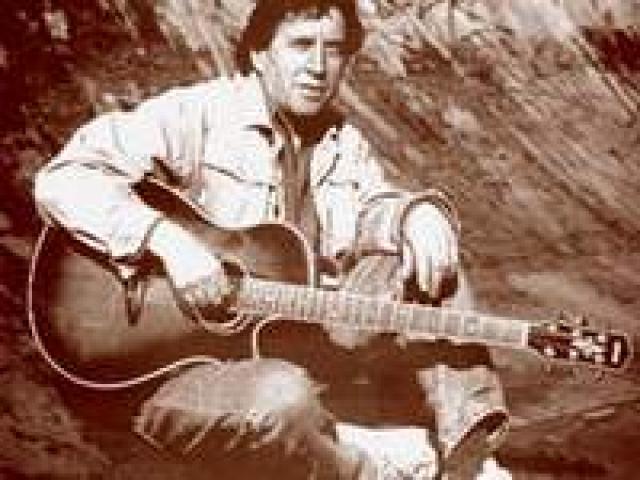
After spending two years traveling around England, Jansch embarked on a journey across Europe, earning a living through street concerts and impromptu performances in cafes and bars. In the mid-1960s, the musician moved to London, where the folk movement was thriving. By that time, Bert had developed his unique style, blending folk, blues, and jazz elements. This allowed him to be warmly welcomed by clubs like "Marquee," "100 Club," and "Les Cousins."
Recording success and influence
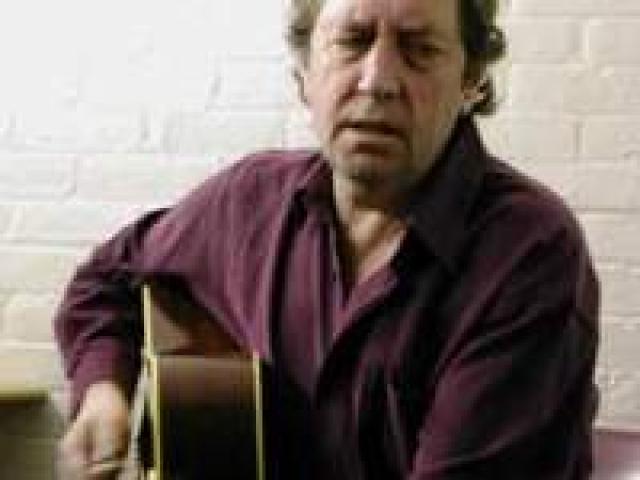
One day, Jansch met sound engineer and producer Bill Leader, who recorded his music directly onto a home tape recorder. The tape was sold for £100 to the small folk label "Transatlantic Records," which released the album "Bert Jansch" in the spring of 1965. Thanks to his excellent compositions and innovative playing technique, the album caused a sensation and became a blueprint for countless other guitarists. Two more albums, "It Don't Bother Me" and the iconic "Jack Orion," followed "Bert Jansch." On these albums, Jansch continued to explore a new approach to performing traditional folk ballads. Led Zeppelin later borrowed one of the songs from "Jack Orion" ("Blackwaterside") and transformed it into "Black Mountain Side."
Collaborations and solo career
Both of the aforementioned albums featured guitarist John Renbourn. In 1966, Bert released a joint album with Renbourn titled "Bert and John." Shortly after, with Renbourn's help, Jansch formed the group "Pentangle," which also included Jackie McShee, Terry Cox, and Danny Thompson. Despite the commercial success of the band and its significance to the musician himself, Bert managed to release solo albums simultaneously. For example, the album "Rosemary Lane," made during that period, is considered one of his best works by Jansch's fans. After the breakup of "Pentangle," the musician focused on his solo career and released albums relatively regularly. Notable works from his later career include "A Rare Conundrum" and the purely instrumental album "Avocet."
Later years and legacy
In the late 1970s, Bert opened his own guitar shop, and in the 1980s, he participated in "Pentangle" reunions. At the beginning of the new millennium, Jansch's concert activity somewhat declined. However, this only fueled the interest in his music, which was compensated by the reissue of his back catalog on CD. Bert celebrated his 60th birthday with a sold-out performance at London's "Queen Elizabeth Hall." His music continues to inspire and influence artists around the world.