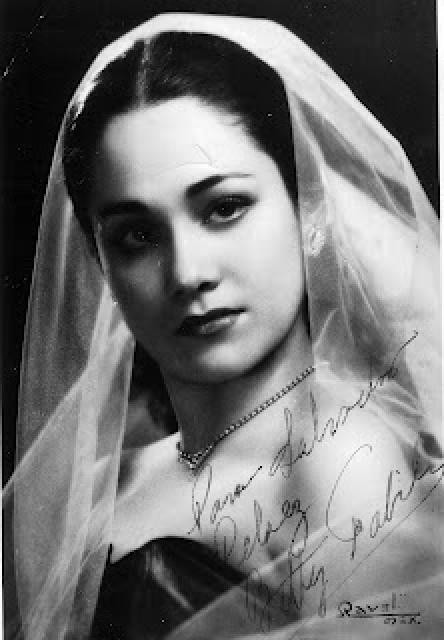
Betty Fabila
 Mexico
Biography of Betty Fabila
Betty Fabila was a Mexican opera soprano and biologist. She was born on May 28, 1929, in Mexico City. Fabila studied music at the National Conservatory of Music and the National School of Music at the National Autonomous University of Mexico, under the guidance of baritone David Silva.
Opera Career
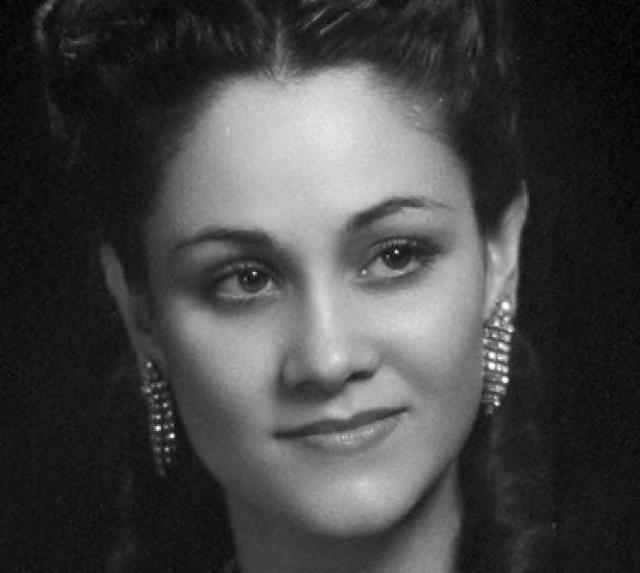
In 1950, Fabila made her professional debut as Musetta in "La bohème" at the Palacio de Bellas Artes in Mexico City. Her debut was a success, and she went on to perform leading roles in operas such as "La traviata," "Madama Butterfly," "Faust," "Carmen," "Don Giovanni," "Werther," "L'amico Fritz," "La Serva-Padrona," and "II segreto di Susanna." Fabila's talent and versatility made her a sought-after soprano in both Mexican and international opera houses.
Personal Life
Fabila met her husband, Italian conductor, composer, and musicologist Uberto Zanolli, while he was living and working in Mexico City. Zanolli had endured two years in Nazi concentration camps and tragically lost his first wife shortly after the birth of their son, Fausto. The couple married in 1959 and had a daughter named Betty Luisa Zanolli Fabila in 1965. Betty Luisa Zanolli Fabila went on to become a pianist, educator, and researcher specializing in the history of culture and music education in Mexico.
Transition to Biology
After her husband's passing in 1994, Fabila embarked on a remarkable career change. She obtained degrees in biology and ethnography and became a teacher at the prestigious Escuela Nacional Preparatoria. Alongside her husband, she co-founded the school's chamber orchestra in 1972 and served as its soprano soloist until 1994.
Legacy
In 1962, Fabila participated in the first modern performance of cantatas by Italian composer Giacomo Facco at the Castle of Chapultepec, which is now part of the National Museum of History. Fabila's innovative spirit and dedication to music and science left a lasting impact on the cultural and educational landscape of Mexico.


