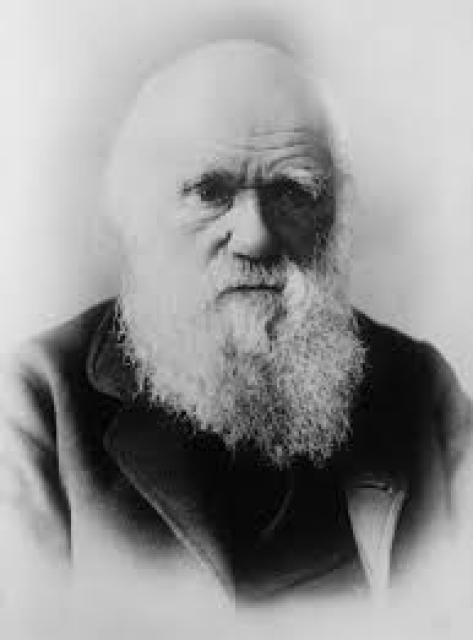
Charles Darwin
 Great Britain
- Charles Darwin: The Father of Evolution
- Voyage of the Beagle
- Return and Publication
- Origin of Species
- Later Works and Legacy
- Awards and Recognition
- Personal and Late Life
Charles Darwin: The Father of Evolution
Early Life and EducationCharles Darwin was born on February 18, 1809, in Shrewsbury, England. Raised in an aristocratic family, he showed signs of a passion for natural history from an early age. Despite modest academic achievements, he pursued medicine at the University of Edinburgh in 1825. However, he soon abandoned medical studies in favor of natural science.
Voyage of the Beagle
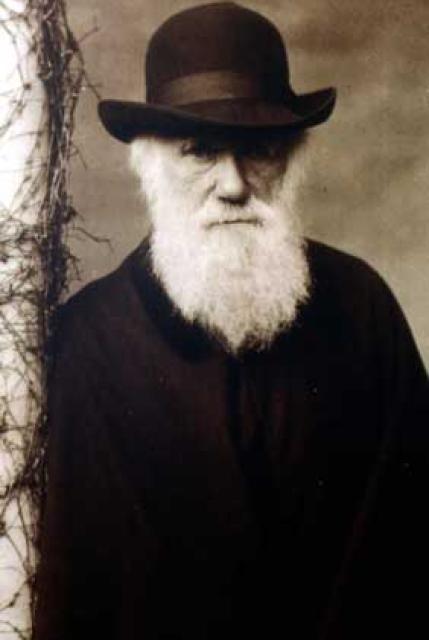
In 1831, Darwin embarked on a remarkable scientific expedition as the naturalist aboard HMS Beagle. Led by Captain Robert Fitzroy, the journey to the Galapagos Islands and South America provided Darwin with invaluable insights into the diversity of life on Earth. It was during this voyage that he developed the foundations of his theory of evolution.
Return and Publication
Upon returning in 1836, Darwin published his first major work, "Voyage of the Naturalist Around the World on the Ship 'Beagle,'" which was a commercial success. He then embarked on a study of barnacles, becoming a leading expert in the field and publishing his four-volume work, "Monograph of the Cirripedia."
Origin of Species
Inspired by observations made during his voyage, Darwin spent years working on his theory of evolution by natural selection. In 1859, he published "On the Origin of Species," which revolutionized scientific thought and sparked widespread debate. This landmark work proposed that all species have evolved from common ancestors through a process of genetic variation and environmental adaptation.
Later Works and Legacy
Throughout the latter half of the 19th century, Darwin continued to publish influential works on evolution. In 1868, he released "The Variation of Animals and Plants Under Domestication," and in 1871, he published "The Descent of Man and Selection in Relation to Sex." In the latter work, he proposed that humans evolved from ape-like ancestors.
Darwin's work has had a profound impact on modern science and society. His theories on evolution have transformed our understanding of the origin and diversity of life on Earth. Despite ongoing debates about his religious beliefs, Darwin's legacy as the Father of Evolution remains undisputed.
Awards and Recognition
Charles Darwin received numerous prestigious awards and honors from scientific institutions throughout the world. These include the Royal Society's Copley Medal, the French Academy of Sciences' Cuvier Prize, and the German Order of Merit.
Personal and Late Life
Darwin married his cousin, Emma Wedgwood, in 1839. Together, they had ten children. Darwin's last years were marked by health struggles, but he continued to work on scientific endeavors until his death on April 19, 1882, in Down, Kent. He was buried at Westminster Abbey in recognition of his extraordinary scientific achievements.


