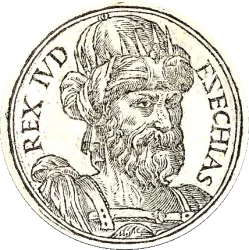
Childeric III
Childeric III was the last king of the Merovingian dynasty, the family that had ruled the Franks for generations. He held the throne from about 743 until 751, when the powerful mayor of the palace, Pepin the Short, took the crown for himself. Childeric’s brief reign came at a turning point: the old royal line still supplied legitimacy, but effective power had shifted to the Carolingian family.
A king recalled to the throne
Little is known about Childeric’s birth, parentage or early life, and medieval sources disagree about his family background. After the death of King Theuderic IV in 737, the Frankish kingdom went several years without a Merovingian monarch. Charles Martel, the dominant political and military leader, governed without installing a king.
When Charles died in 741, his sons Carloman and Pepin divided power as mayors of the palace. In 743 they placed Childeric on the throne, ending the interregnum. The young king’s royal name and lineage offered continuity, while the brothers commanded the military and administrative power. Childeric therefore ruled as a monarch, but the decisions that shaped the kingdom were largely made by the Carolingians.
A transfer of power
Carloman withdrew from political life in 747 and entered a monastery, leaving Pepin as the leading power in the Frankish realm. Pepin sought approval for a change in the basis of kingship. According to later accounts, he sent envoys to Pope Zachary to ask whether the title of king should belong to the man who held power or to the man who merely bore the name. The response was taken as support for Pepin’s claim, though historians note that the surviving accounts were written later and shaped by Carolingian interests.
In 751, an assembly at Soissons elected Pepin king. Childeric was tonsured, a ritual that marked his removal from royal status, and sent to the monastery of Sithiu, later known as Saint-Bertin. The move ended Merovingian rule without a major battle and allowed the Carolingians to present their takeover as a lawful and religiously sanctioned transition.
The last Merovingian
Childeric’s fate after his deposition is uncertain. Some accounts suggest that he died in the monastery a few years later, but the records are sparse. Even the familiar image of the powerless “do-nothing king” comes largely from later Carolingian writers, who had reason to portray the Merovingians as ineffective and Pepin’s accession as necessary. The political reality was more complex: Merovingian kingship still carried symbolic weight, even as the mayors of the palace accumulated authority.
Childeric’s reign marks the close of one dynasty and the beginning of another. Pepin’s son Charlemagne would later build a vast empire, but the Carolingian rise began with this careful transfer of titles and legitimacy. Childeric himself left little recorded biography, yet his removal changed the course of Frankish history.