Clarence Birdseye
 USA
USA- Clarence Birdseye: American Inventor, Businessman, and Naturalist
- Early Life
- Interest in Food Preservation
- Invention of Quick Freezing
- Expansion and Legacy
Clarence Birdseye: American Inventor, Businessman, and Naturalist
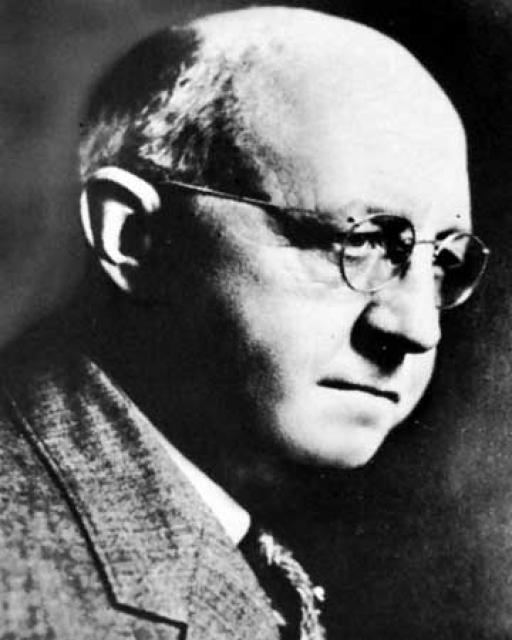
Clarence Frank Birdseye II was born in Brooklyn, New York on December 9, 1886. He was the sixth of nine children of Clarence Frank Birdseye I and Ada Jane Underwood.

Early Life
Birdseye briefly attended Amherst College, but financial difficulties forced him to leave around 1908. He then moved west and worked for the United States Department of Agriculture (USDA). He served as a "naturalist assistant" in New Mexico and Arizona, helping to shoot coyotes. During this time, Birdseye also collaborated with entomologist Willard Van Orsdel King in Montana, where he captured hundreds of small mammals. King believed that ticks, which he collected from animals, were the main cause of the outbreak of Rocky Mountain spotted fever.
Interest in Food Preservation
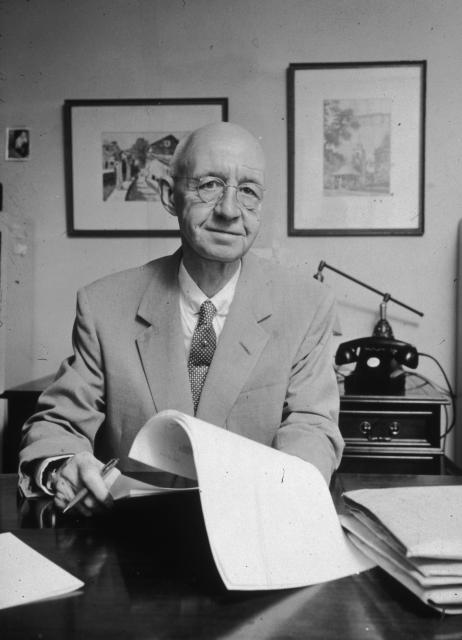
From 1912 to 1915, Birdseye lived in Labrador, Canada, where he became fascinated with the process of preserving food through freezing. He observed the Inuit people, who were able to freeze freshly caught fish instantly at -40°C and still maintain its freshness after thawing. Birdseye realized that frozen food in New York was of lower quality compared to the frozen fish he had experienced in Labrador. He saw the potential to commercialize this method and make a profit.
Invention of Quick Freezing
During the early 1920s, Birdseye experimented with freezing at the Clothel Refrigerating Company before starting his own company, Birdseye Seafoods Inc., in 1922. The company used air cooling at -43°C to freeze fish fillets. However, due to a lack of interest in Birdseye's products, the company went bankrupt in 1924. Undeterred, Birdseye developed a new method of freezing that involved packing the fish in cardboard boxes and passing them between two chilled surfaces under pressure. This led to the establishment of the General Seafood Corporation, which practiced Birdseye's innovative freezing technique. Birdseye later patented a new freezing machine that prevented the formation of small ice crystals, resulting in better preservation of cellular membranes.
Expansion and Legacy
By 1927, the General Seafood Corporation had expanded its product line to include meat, poultry, fruits, and vegetables. In 1929, Birdseye sold his patents and company for $22 million but continued to develop his freezing technologies. Clarence Birdseye passed away from a stroke on October 7, 1956, at the age of 70, at the Gramercy Park Hotel. His body was cremated and his ashes scattered over the water in Gloucester, Massachusetts.
Overall, Clarence Birdseye's innovative methods revolutionized the food industry and paved the way for the widespread availability of frozen foods. His contributions to the field of frozen food preservation continue to impact the way we store and consume food today.