Dorothy Day
 USA
USA- Biography of Dorothy Day
- Early Life
- Social Activism and Conversion
- Changing Views
- Legacy and Recognition
Biography of Dorothy Day
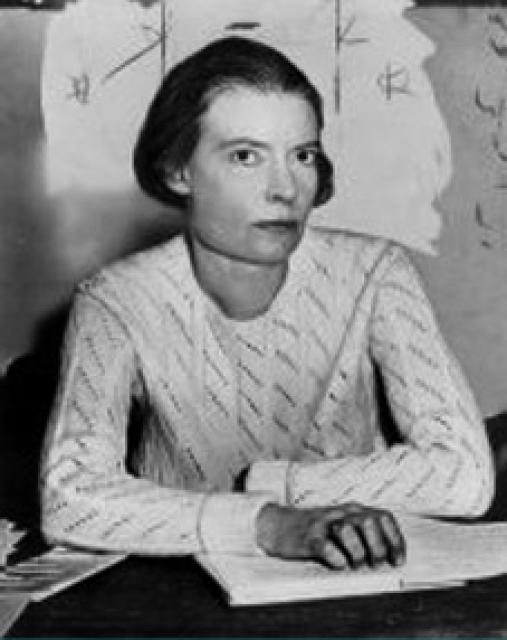
Dorothy Day was an American journalist, social activist, and devout Catholic who adhered to anarchist views. She gained the most recognition through her collaboration with Peter Maurin in the organization of the Catholic Worker Movement - a movement that helped the poor and homeless and advocated for their interests through peaceful, nonviolent means.

Early Life
Dorothy Day was born on November 8, 1897, in Brooklyn, New York. However, she was raised and grew up in San Francisco and Chicago. In 1914, she enrolled in the University of Illinois but dropped out after two years and returned to her native New York. Dorothy reluctantly pursued her studies, as she was more drawn to social activism in radical circles. She did not participate in the social life of the university and refused financial support from her father, preferring to earn her own living.

Social Activism and Conversion
Settling on the eastern outskirts of New York City, Dorothy initially worked for radical-socialist publications such as "The Liberator," "The Masses," and "The Call." She also participated in anti-war protests and actions against the suppression of women's voting rights. During her active social activism, Dorothy led a bohemian lifestyle. However, with the birth of her daughter Tamara in 1926, she experienced a period of spiritual awakening. She converted to Catholicism, joined the Baptist Church, and began writing articles for Catholic publications.
During this time, Dorothy Day founded the Catholic Worker Movement, starting with the newspaper "The Catholic Worker," which aimed to spread Catholic teachings among the masses and advocate for a neutral, peaceful social position amidst the turmoil of the 1930s. Upholding the slogan "from words to actions," Dorothy gradually expanded her activities, establishing "houses of hospitality" in the slums of New York City and several farms for communal living and work. The movement quickly spread to other cities in the United States, as well as Canada and the United Kingdom. Today, there are over 100 Catholic Worker communities worldwide, including branches in Australia, the United Kingdom, Canada, Germany, the Netherlands, Ireland, Mexico, New Zealand, and Sweden.
Changing Views
In her youth, Dorothy Day fervently advocated for women's rights, free love, and birth control. However, by the 1960s, her views had shifted towards more traditional values, aligning with Catholic morals and piety. She criticized the emerging sexual revolution but remained supportive of the defense of social and economic rights for the people. Dorothy managed to combine both conservative and liberal perspectives.
Legacy and Recognition
In 1971, Dorothy Day was awarded the "Pacem in Terris" Peace and Freedom Award. She passed away on November 29, 1980, in New York City at the age of 83. Dorothy was buried in Resurrection Cemetery on Staten Island. Several student dormitories in different universities across the country have been named after her, honoring her impactful life and contributions.