Edward Ardizzone
 Great Britain
- Early Life and Influences
- Artistic Career
- Wartime Experiences
- The "Little Tim" Series
- Collaborations and Legacy
- Later Years and Death
Early Life and Influences
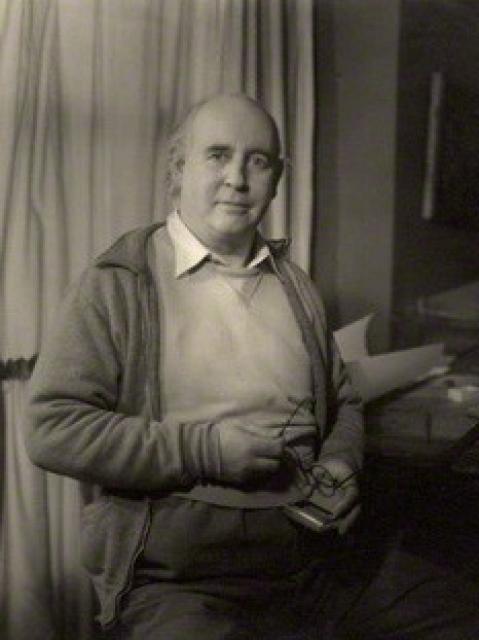
Edward Ardizzone was born in Haiphong, French Indochina (now Vietnam), in 1900. His father was of Italian descent, while his mother was English. After his mother's return to England in 1905, Ardizzone spent his formative years in Suffolk, nurtured by his grandmother and inspired by his art teacher's encouragement.

Artistic Career
Ardizzone's talent as an illustrator flourished early on. His first published work, "The Mediterranean: An Anthology," appeared in 1935, showcasing his masterful craftsmanship in creating elaborate title pages. In 1936, he illustrated the first book in the beloved "Little Tim" series, which chronicled the adventures of a courageous young sailor.

Wartime Experiences
During World War II, Ardizzone served as a war artist, documenting his experiences in France, Belgium, Africa, Italy, and Germany. His wartime drawings and journals are now displayed at the Imperial War Museum, providing invaluable insights into the realities of conflict.
The "Little Tim" Series
Ardizzone's most famous creation, the "Little Tim" series, encapsulated the innocence and resilience of youth amidst the challenges of the world. The books have become classics of children's literature, with "Tim All Alone" (1956) being particularly well-known.
Collaborations and Legacy
Beyond his original works, Ardizzone also illustrated a wide range of other books, including those by Anthony Trollope and Graham Greene. His illustrations for James Reeves's children's adaptation of "Don Quixote" and Noel Langley's "The Land of Green Ginger" are equally renowned.
Later Years and Death
In his later years, Ardizzone continued to work on illustrations and create a series of telegram forms for the British Post Office. He died of a heart attack at his home in Rodmersham Green in 1979, leaving behind a legacy of cherished and timeless illustrations that continue to captivate generations of readers.