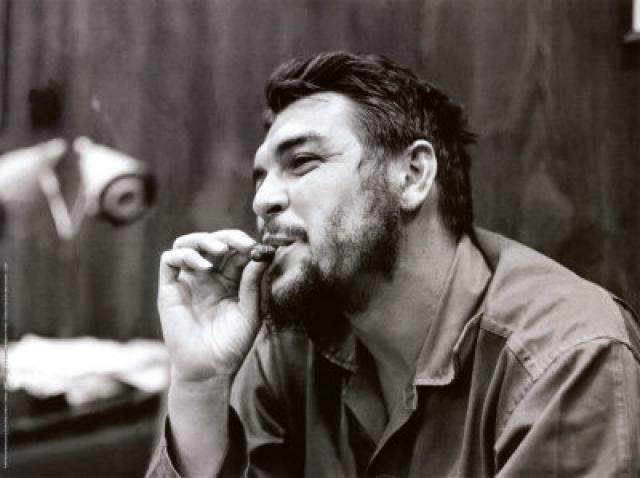
Elliott Erwitt
 USA
USABiography of Elliott Erwitt
Legendary American photographer Elliott Erwitt is known for his emotional, narrative, and often ironic images. He was born in 1928 in Paris, France, to Russian immigrant parents. Shortly after Elliott's birth, his family moved to Italy, where they spent the next 10 years. They then fled fascism and immigrated to the United States, making Elliott an American thanks to Benito Mussolini and his regime. It was in America that Elliott became interested in photography. He took his first photographs at the age of 14 and later decided to pursue photography as a career. He studied at Los Angeles City College and later at the New School for Social Research, graduating in 1950.
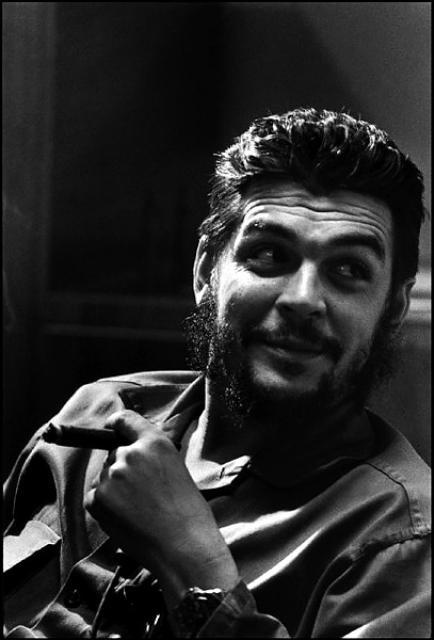
The early years in the United States were a serious challenge for Elliott's family – they had to endure poverty and despair, and eventually his parents separated. Elliott had to start working at the age of 16 to help his mother. Despite the hardships, he was able to receive an education, and by the time he entered the workforce, Elliott had already established valuable connections and was ready to start his career.
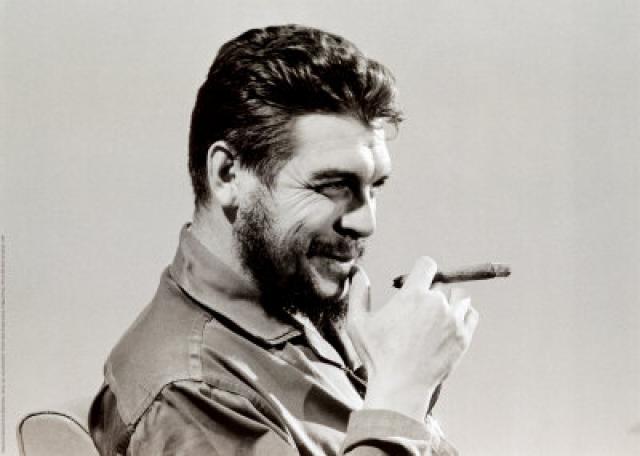
In the early 1950s, Elliott worked as a photographer's assistant in the army, and one of his photographs from that time – a picture of soldiers heading to war in Korea – made it to the finalists of Life magazine's competition. Soon, his work was being published in Collier's, Look, Life, and Holiday magazines. His acquaintance with Edward Steichen and Robert Capa helped Elliott become one of the photographers for the prestigious Magnum Photos agency in 1953. During his time at Magnum Photos, Elliott had the opportunity to collaborate with many prominent American photographers. He later said that Magnum Photos never taught him "how to take photographs," but rather guided him. He also remembered that during those early years, none of the photographers knew that their photographs would later be considered art – they were simply doing their job, striving for interesting and high-quality shots.
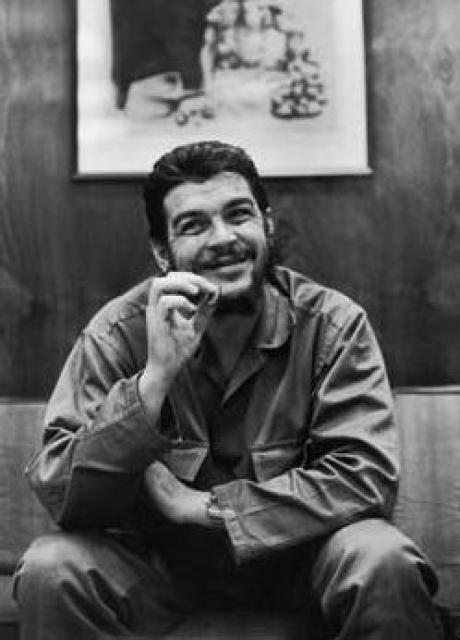
After producing numerous photo shoots and photojournalism in the 1950s and 1960s, Elliott began to focus on documentary filmmaking. His works include "Arthur Penn: the Director" (1970), "Beauty Knows No Pain" (1971), "Red, White and Bluegrass" (1973), and "Glassmakers of Herat, Afghanistan" (1977), which won several awards. In the following years, Elliott embarked on several personal projects, and starting from the 1970s, he published numerous books, including "Son of a Bitch" in 1974, a photo album about dogs. Dogs have always been a significant theme in Elliott's work, and he even said that "dogs are people too, just covered in fur."
Elliott Erwitt's photographs are highly recognizable – they always have a story and almost always contain irony. "I want photographs to be emotional," Elliott himself said. His photographs from Moscow, for example, resonated worldwide. He managed to capture the moment when President Nixon pointed his finger at Khrushchev's chest, and this image became legendary. Elliott is said to possess a remarkable gift – the "gift of visual wit." Even in the most ordinary situations, he managed to find something amusing.
According to Elliott Erwitt, it is impossible to learn the art of photography, and photography schools are a waste of time and money. If you want to take good photos, he advises grabbing your camera and shooting, because mastery comes only with practice.


