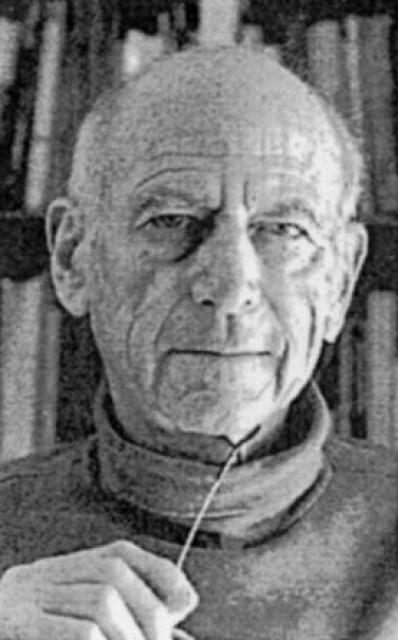
Eric Wolf
 Austria
- Biography of Eric Wolf
- World War II and Interest in Other Cultures
- Columbia University and Influences
- Contributions to Anthropology
- Legacy
Biography of Eric Wolf
Early LifeEric Wolf was born in Vienna, Austria, to Arthur George and Maria Ossinovski. In 1933, his family moved to the Sudetenland in Czechoslovakia. However, they were forced to flee the country due to the division of Czechoslovakia under the Munich Agreement, in order to escape anti-Semitic persecution. They first settled in the United Kingdom in 1938, and later immigrated to the United States, eventually settling in New York City.
World War II and Interest in Other Cultures
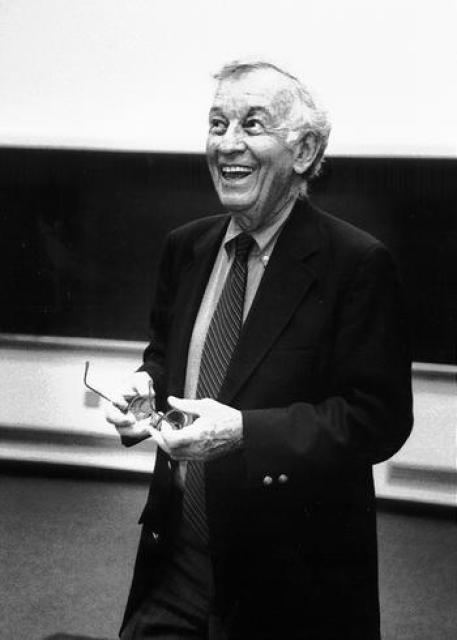
During World War II, Eric Wolf served in the 10th Mountain Division of the United States Army. He fought in the Italian front from 1943 to 1945, which sparked his interest in the study of other cultures. After the war, with the help of the GI Bill of Rights, Wolf enrolled at Columbia University to study anthropology.
Columbia University and Influences
Columbia University, known for its anthropological school led by Franz Boas, was a leading center for the study of anthropology in North America. However, by the time Wolf joined, Boas had passed away, and his colleagues had moved away from his methods. Instead, Julian Steward became the new head of the anthropology department, and Wolf, along with many other students, was influenced by Steward's goal of creating a comprehensive scientific anthropology that could explain the development of human societies and their adaptation to the environment.
Contributions to Anthropology
As part of Steward's project on studying the population of Puerto Rico, Eric Wolf wrote his dissertation. Latin American themes played a significant role in Wolf's later work. After completing his studies, Wolf became a professor at the University of Michigan in Ann Arbor. Later, he worked at Lehman College and the Graduate Center of the City University of New York (CUNY). In addition to his work in Latin America, Wolf also conducted field research in Europe.
Legacy
Eric Wolf's work is highly regarded in contemporary anthropology, particularly for his focus on power, politics, and colonialism. While many of his colleagues moved away from these issues in the 1970s and 1980s, Wolf continued to emphasize their importance. His most famous book, "Europe and the People Without History," co-authored with Immanuel Wallerstein and Andre Gunder Frank, explains how Western Europe surpassed other regions of the world during the Great Age of Discovery and subjected them to its influence. Wolf debunked Eurocentrism and the myths of the "backwardness" of non-European cultures, arguing that they were always part of the global historical process.
Towards the end of his life, Wolf warned of the dangers of the "intellectual impoverishment" of anthropology, as the field moved away from field research and engagement with current realities and problems, focusing only on abstract and theoretical questions. Eric Wolf passed away from cancer in 1999, leaving behind a rich legacy of influential works, including "Peasant Wars of the Twentieth Century," "Anthropology," "Peasants," "Envisioning Power," and "Sons of the Shaking Earth."