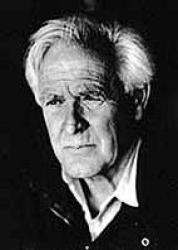
Erich Gimpel
 Germany
- Biography of Erich Gimpel
- Early Life and Espionage
- Operation Elster and Capture
- Conviction and Imprisonment
- Life After Prison
Biography of Erich Gimpel
Erich Gimpel was a German spy during World War II who was known for his professionalism and ability to withstand interrogations. He earned high respect from his superiors for his expertise and the reliable information he provided.
Early Life and Espionage
Gimpel worked as a radio operator for a mining company in Peru in 1930. When the Second World War began, he became a secret agent, providing Germany with information about enemy ship movements. After the United States entered the war in December 1941, Gimpel was deported to Germany. He later served as an agent in Spain, recruiting individuals to attend a spy school in Nazi-occupied The Hague. It was there that he first encountered William Colp, an American deserter who was dissatisfied with life in the U.S. and did not want to fight for America. Gimpel felt that Colp, despite his unreliability, was necessary to understand American life and successfully carry out Operation Elster in the U.S.
Operation Elster and Capture
Gimpel and Colp were transported to the U.S. on the U-1230 submarine, arriving at Hancock Point in Maine on November 29, 1944. Their mission was to gather technical information about Allied military projects, particularly the Manhattan Project, and transmit it back to Germany using an 80-watt radio transmitter. They traveled to Boston and then took a train to New York City. However, Colp eventually decided to abandon the mission and confided in an old school friend, who urged him to contact the FBI. The FBI, already searching for German agents following the sinking of a Canadian ship near the Maine coast, interrogated Colp, who revealed everything, leading them to Gimpel.
Conviction and Imprisonment
After Gimpel's capture, he was handed over to the U.S. military authorities on the orders of the Attorney General. In February 1945, Gimpel and Colp stood before a military commission, charged with conspiracy and violation of Article 82 of war. They were found guilty and sentenced to hanging. However, Gimpel's execution was unexpectedly postponed due to the death of U.S. President Franklin Delano Roosevelt, which prompted a period of national mourning. Eventually, after the war ended, Gimpel's sentence was commuted to life imprisonment.
Life After Prison
Gimpel was sent to Alcatraz, where he played chess with Machine Gun Kelly. After ten years, he was released in 1955 and returned home to West Germany. Later, he settled in South America and wrote an autobiographical book about his covert work as a German spy. The book, originally published in English in 1957 in the United Kingdom, was titled "Agent 146." In 2003, following the terrorist attacks on the United States in September 2001, several books about Nazi spies in America were published, including Gimpel's book, which was released in the U.S. under the same title. Gimpel also gave an interview to Oliver North on the Fox News Channel program "War Stories with Oliver North" in an episode titled "Agent 146: Spying for the Third Reich." Erich Gimpel passed away in 1996.