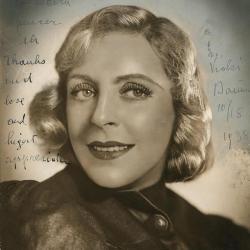
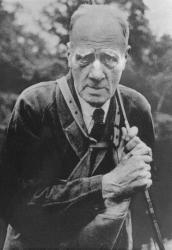
Erich Maria Remark
 Germany
- Biography of Erich Maria Remarque
- Early Writing and Military Service
- Post-War Life and Literary Success
- Persecution and Exile
- Life in Exile and Personal Struggles
- Later Years and Legacy
Biography of Erich Maria Remarque
Early Life and EducationErich Maria Remarque, the famous German writer, was born in 1898 in Osnabrück. He came from a Catholic family and attended a Catholic pedagogical school since he couldn't pursue education in a gymnasium due to his background. Remarque developed a love for literature at an early age and was influenced by writers such as Fyodor Dostoevsky, Thomas Mann, Johann Wolfgang von Goethe, Marcel Proust, and Stefan Zweig.
Early Writing and Military Service
At the age of 17, Remarque began writing and joined a literary circle led by a local poet. However, his writing career was put on hold when he was drafted into the army in 1916 during World War I. Although his unit did not experience the frontlines, Remarque witnessed the horrors of war and carried his fatally wounded comrade to safety. He himself was wounded in the hand, leg, and neck.
Post-War Life and Literary Success
After the war, Remarque struggled to find his place in society. He worked as a teacher in rural schools but faced difficulties due to his inability to conform to the expectations of his superiors. He also tried his hand at various jobs, including selling tombstones and working as a copywriter for a magazine. During this time, Remarque led a bohemian lifestyle, enjoying the company of women and indulging in alcohol.
In 1925, Remarque moved to Berlin and secured a position as an editor in a prestigious sports magazine, thanks to his relationship with the daughter of the publisher. He married a dancer named Jutta Zambona, but their marriage ended in divorce in 1929 due to infidelity on both sides. It was during this time that Remarque wrote his most famous novel, "All Quiet on the Western Front," which was published in 1929. The novel received widespread acclaim, selling millions of copies worldwide and being translated into multiple languages. It was even adapted into a successful film in Hollywood, winning an Academy Award.
Persecution and Exile
The anti-war sentiment and pacifism expressed in Remarque's novel did not sit well with German authorities, especially as Adolf Hitler and the Nazis rose to power. In 1933, Remarque was declared a French Jew named Kramer by Hitler himself. The Nazis burned his books in public and revoked his German citizenship. Fearing further persecution, Remarque left Germany and settled in Switzerland, where he lived a secluded life.
Life in Exile and Personal Struggles
Remarque's exile allowed him to continue writing, and he published several more novels, including "Three Comrades" and "Arch of Triumph." However, his personal life was tumultuous. He had a passionate but tumultuous affair with actress Marlene Dietrich, which ended unhappily. Remarque later met and married his fourth wife, Paulette Goddard, an American actress. They lived in the United States for a while but eventually returned to Switzerland.
Later Years and Legacy
In the later years of his life, Remarque's health deteriorated, and he battled with depression and various illnesses. He sought therapy and underwent psychoanalysis, which helped him understand the root causes of his emotional struggles. Despite his personal challenges, Remarque continued to write, publishing novels such as "The Spark of Life," which explored the topic of Nazi concentration camps.
Erich Maria Remarque passed away in 1970. He is remembered as one of the most influential German writers of the 20th century, whose works captured the human experience in times of war and explored the themes of love, loss, and resilience. His masterpiece, "All Quiet on the Western Front," continues to be celebrated as a powerful anti-war novel that sheds light on the devastating effects of conflict on the lives of ordinary people.