Fallan Kurek
 Great Britain
- Tragic Loss: 21-Year-Old Dies After Taking Birth Control Pill
- Fatal Consequences of Birth Control
- Heartbreaking Diagnosis and Loss
- Questions and Grievances
- Missed Clues and Overlooked Symptoms
- Sudden Collapse and Emergency Response
- Doctor's Inquiry and Revelation
- Scan Results and Devastating News
- Daughter's Dreams and Family's Grief
- Call for Informed Consent and Responsible Use
Tragic Loss: 21-Year-Old Dies After Taking Birth Control Pill
In a heartbreaking incident, a 21-year-old British woman, Fallon Kurek, lost her life after suffering a fatal blood clot following the use of contraceptive pills.
Fatal Consequences of Birth Control
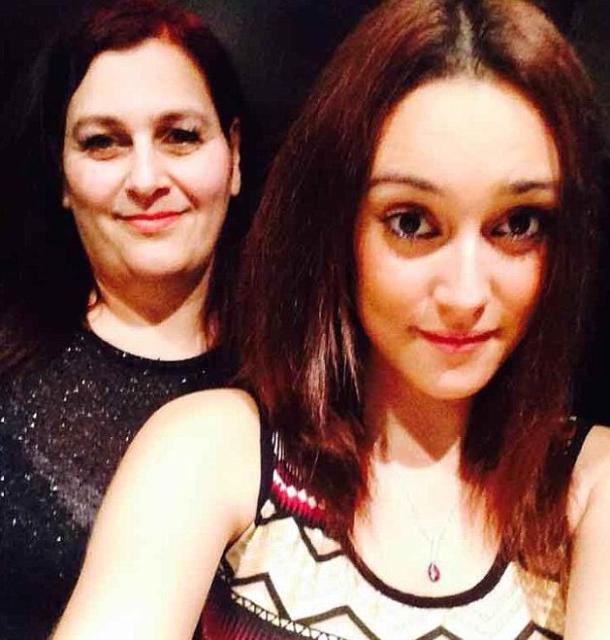
Fallon Kurek, a dedicated support worker for children with disabilities, was prescribed the contraceptive pill 'Rigevidon' by her doctor to regulate her menstrual cycle. Within 25 days of taking the medication, she collapsed at her home in Staffordshire. Paramedics arrived to find her vomiting and experiencing shortness of breath. Within minutes, she stopped breathing and turned blue.

Heartbreaking Diagnosis and Loss
Kurek was rushed to the hospital, where her parents, Brian and Julie, rushed to her side. After three days in intensive care, Fallon's brain was declared dead due to a pulmonary embolism, a blood clot in the lung's artery. Her devastated parents believe the contraceptive pill triggered the clot.

Questions and Grievances
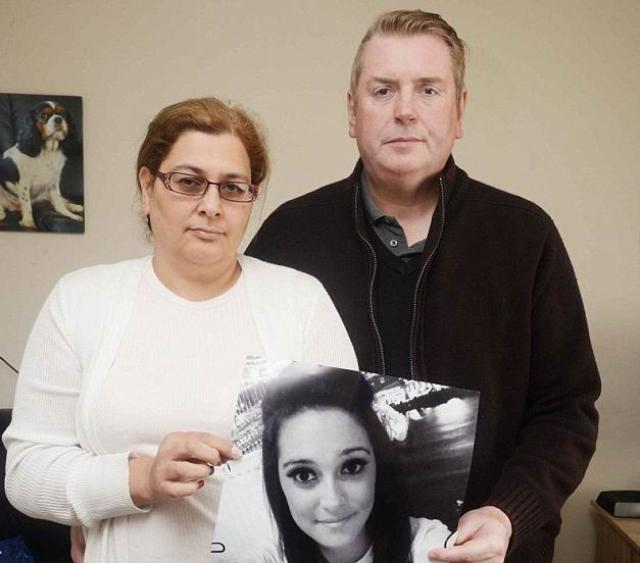
"We were angry when we were first told it could be the tablets," said Julie, as she comforted her other children: Michael (24), Robert (22), and Jessica (19). "Fallon was taking the tablets because she had problems with her periods. I can't believe nobody told us what could happen."
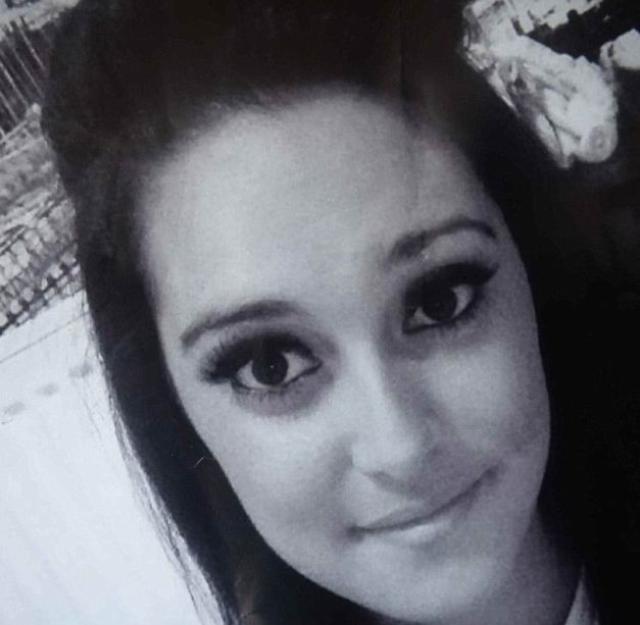
Fallon was instructed to take the combined contraceptive pill for three months before a break. However, after three weeks, she began experiencing shortness of breath and pain in her leg and ribs—classic symptoms of pulmonary embolism.
Missed Clues and Overlooked Symptoms
While visiting a local salon with her parents, Kurek initially complained of what was believed to be a panic attack. However, her father decided to take her to the hospital, where an ECG was performed. "They said everything was fine, that she had probably just bruised her chest bone," Julie recalled. "We were told to go home and take ibuprofen and paracetamol and come back if it happened again."
"We didn't think anything more of it. Fallon said she just had this niggling pain that wasn't affecting her too much."
Sudden Collapse and Emergency Response
Four days later, her parents woke Fallon to check on her. "She told us she felt fine. She was sitting on the bed, then she started gasping for breath again. She took her tablets and got up and started walking down the stairs. She collapsed halfway down. I got to the bottom of the stairs, and she just collapsed into my arms."
Paramedics began to assess Kurek, who was still conscious. Minutes later, she went into cardiac arrest and was rushed to the hospital, where she was intubated and scanned for head and chest injuries.
Doctor's Inquiry and Revelation
At the hospital, a doctor asked her mother if she had taken any illegal drugs, which she denied. The doctor then inquired about any family history of heart problems, but there was none. "The third question was, 'Is she on the contraceptive pill?'" Julie exclaimed. "I was shocked, and I said, 'Yes.' 'I said, 'Is that relevant?'"
The doctor simply stated that he knew what it was and walked away. Brian and Julie looked at each other, dazed and confused.
Scan Results and Devastating News
Scans revealed a large clot in his lungs, causing inflammation in the right side of Fallon's heart. Three days passed as her parents held a vigil by her hospital bed.
"On Wednesday evening, they told us her blood pressure and heart rate was skyrocketing, and they had to do an emergency CT scan. I had a horrible feeling. We knew something was seriously wrong."
The CT scan showed that her brain had died from lack of oxygen, likely before she even reached the hospital. Fallon was taken off life support on Thursday, May 14, 2015, and passed away at 5:10 PM.
Daughter's Dreams and Family's Grief
"Fallon was a life-enhancer. She was determined, she was focused, she was energetic. She was a mentor to all her friends," said her father. "We don't want another family to go through this."
Fallon Kurek's case will be investigated by a South Staffordshire coroner. Her funeral will be held on May 29, 2015.
Her family is requesting donations to the critical care unit at the hospital that attempted to save Fallon's life. They hope to raise awareness about the deadly risks of blood clots and the potential impact of contraceptive medication.
"Twenty-five days on the pill, and we've lost our daughter," said Julie.
Call for Informed Consent and Responsible Use
Julie and Brian also hope that healthcare professionals will give more time to explaining the serious side effects of medications to all women, not just those at higher risk, such as smokers or overweight women.
"The doctors know that the pill can cause blood clots," said Fallon's father. "We can't get our daughter back. All we can do is try and save someone else's."
However, the UK Medicines and Healthcare products Regulatory Agency insists that contraceptive pills are safe. "Women should continue to take the contraceptive pill. These are safe and highly effective in preventing unintended pregnancy, and generally, the benefits of using them far outweigh any risks," said a spokesperson for the agency. "The safety of contraceptive pills was reviewed at a European level in 2014. The review confirmed that the risk of blood clots is small in those taking any contraceptive pill."
Gedeon Richter, the Hungarian company that manufactures Rigevidon, declined to comment on the incident.