Family Kannathu
 India
India- Syndactyly: A Genetic Trait of the Kannathu Family
- A Divine Curse?
- Adaptation and Acceptance
- Intergenerational Inheritance
- A Tourist Curiosity
- A Supernatural Explanation
- Annual Rituals
- Medical Explanation and Treatment
Syndactyly: A Genetic Trait of the Kannathu Family
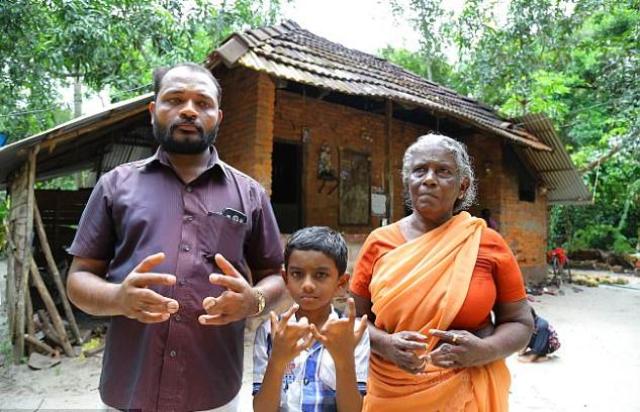
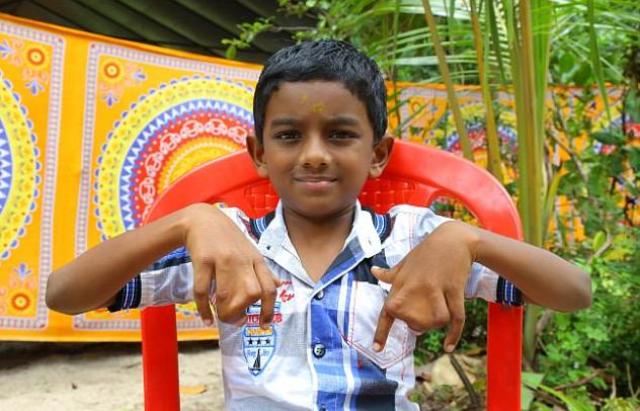
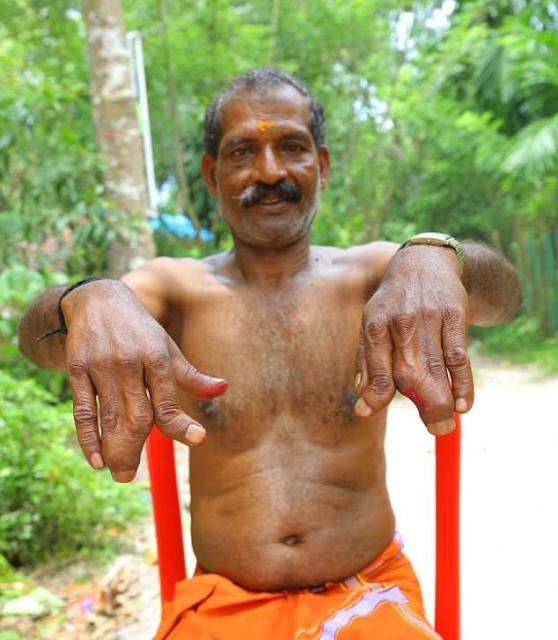
The Kannathu family, a lineage of 140 individuals from Alappuzha, India, possesses a distinctive genetic trait: syndactyly, the webbing or fusion of fingers. For generations, from the octogenarian patriarch to the youngest members, syndactyly has been an intrinsic part of their identity.
A Divine Curse?
The family attributes their condition to a divine curse, believing that surgical intervention would bring misfortune. "We don't even consider surgery as an option," declared Sarasu Kannathu, the family's 70-year-old matriarch. "Though our fingers are fused, we lead normal lives and face no difficulties in our daily tasks."
Adaptation and Acceptance
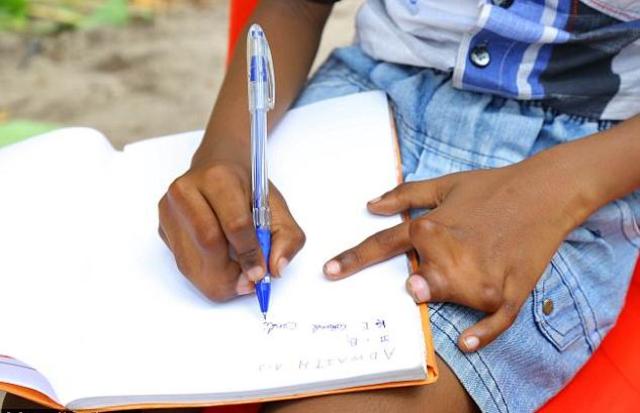
Despite the unusual nature of their hands, the family members have adapted remarkably. Lakshmi, another clan member, explained, "I can cook, chop vegetables, wash clothes, and sogar sew with my fingers. I never encounter any challenges."
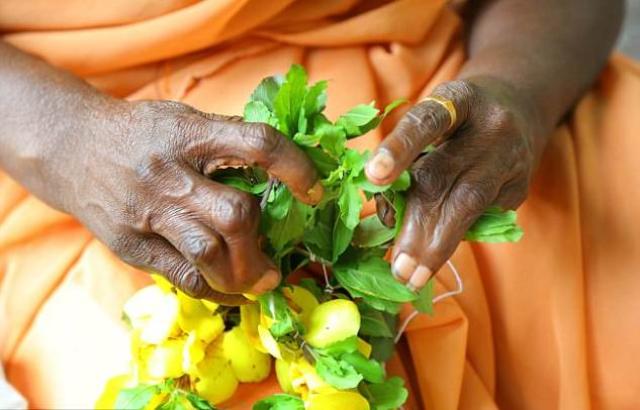
"I have been accustomed to this condition since birth," she added. "The only regret is that I can't wear rings."

Intergenerational Inheritance
Syndactyly first emerged in the Kannathu family approximately 90 years ago and has been passed down through the generations. Recently, a female member gave birth to a child with webbed fingers. Sarasu firmly believes that future generations will continue to inherit the family's "curse," which they have come to embrace as a source of pride.
A Tourist Curiosity
Word of the extraordinary Kannathu family has reached far and wide, attracting curious travelers to their village. "Future generations will inherit this," Sarasu remarked. "It has been a part of my family, and we believe it always will be."
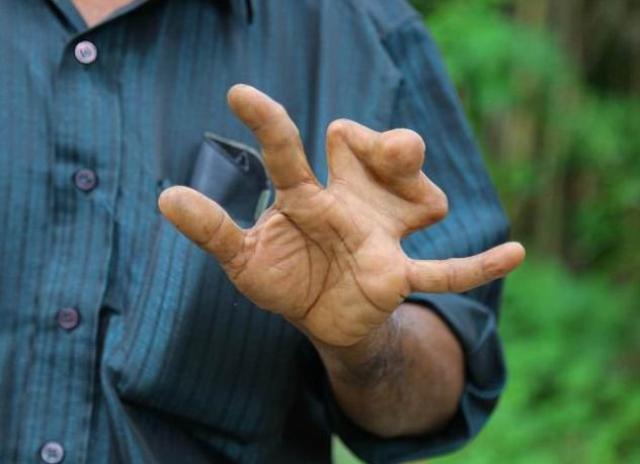
A Supernatural Explanation
The family traces the origins of their condition to an incident involving a felled tree in a sacred grove. "Our grandfather told us that ever since then, children in our family have been born with webbed fingers," said Sarasu.
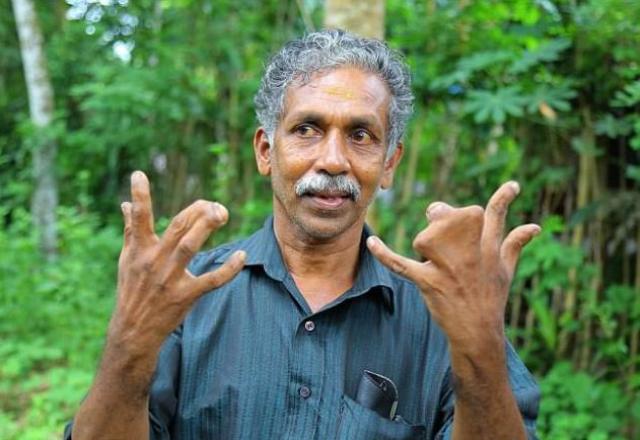
"One of our relatives went insane after undergoing surgery to separate his fingers," she continued. "We don't want that fate for ourselves. We don't want to provoke or anger the gods."
Annual Rituals
To appease the so-called Snake God, the Kannathu family holds an annual prayer ceremony in their home, believed to be the abode of the deities. "It's only because we worship that we have never faced any difficulties despite our deformed fingers," stated Girishkumar, a 48-year-old excavator operator.
"I face no health problems, and I am capable of doing any job a normal person can do."
Medical Explanation and Treatment
Syndactyly is a congenital condition in which fingers or toes may be partially or completely fused. It occurs when the separation process does not take place during embryonic development, often due to genetic mutations.
According to UK statistics, syndactyly affects approximately one in every 1,000 births. It can also occur spontaneously without a family history.
The only effective treatment for syndactyly is surgical intervention, which aims to separate and enhance the functionality of the fused fingers. The risks associated with surgery, such as blood loss, infection, and scarring, are minimal.