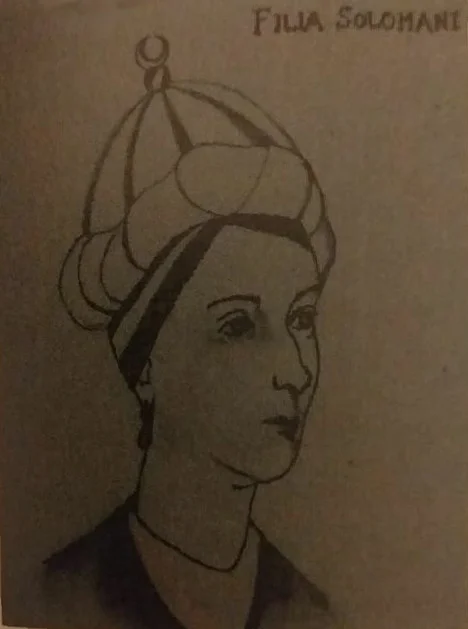
Fatma Sultan
Fatma Sultan was an Ottoman princess whose life is known mainly through dynastic records, marriage alliances, and the charitable foundations associated with her name. She is traditionally identified as a daughter of Sultan Selim I and a sister of Suleiman the Magnificent, though historians have noted that surviving records do not resolve every question about her family ties and chronology. As with many Ottoman women of the sixteenth century, the public traces of her life are clearer than the private details.
A princess in a changing empire
Fatma lived during the transition from Selim I’s reign to that of his son Suleiman, a period when the Ottoman Empire expanded dramatically across the Middle East and southeastern Europe. The daughters of sultans occupied important positions in dynastic society. Their marriages connected the ruling household to high-ranking officials and helped bind political elites to the dynasty.
Ottoman biographical and institutional records associate Fatma with the household of Kara Ahmed Pasha, a senior statesman who later served as grand vizier. Some reference works also list a later marriage to Hadım Ibrahim Pasha. The dates and details of these relationships are not consistently preserved, and modern scholarship cautions against treating every later account as definitive. The record does not provide a reliable narrative of her childhood, personality, or day-to-day life at court.
Marriage, influence, and patronage
Royal marriages could give an Ottoman princess an important position within the court’s wider network. Through her household, she was connected to leading administrators and to the political world around her brother’s reign. The execution of Kara Ahmed Pasha in 1555 was a dramatic event in the palace’s political history, though the surviving sources offer little direct testimony about Fatma’s own response or role.
Her legacy is also associated with religious and civic patronage. A small neighborhood mosque in Istanbul’s Topkapı district is traditionally attributed to her, placing her among Ottoman women who supported the urban religious landscape through foundations. Such endowments could provide a mosque and related services with income, while also establishing a lasting public presence for their patrons. The mosque’s association with Fatma has helped preserve her name beyond court genealogies.
A fragmentary historical record
The uncertainties surrounding Fatma’s dates and family relationships reflect the limits of the archive, rather than a lack of historical importance. Ottoman princesses were often recorded in relation to fathers, brothers, husbands, and endowed institutions. Their own voices appear less often in surviving chronicles. In Fatma’s case, later summaries sometimes combine details from different women who bore the same name, making careful identification especially important.
She remains a figure at the intersection of dynastic politics and urban religious life. The traditional account places her within the immediate family of Selim I and Suleiman, while the mosque associated with her offers a concrete reminder of the ways royal women could shape the cities around them. Though the details of her personal story remain incomplete, Fatma Sultan’s place in Ottoman history survives through both the imperial household and the institutions linked to her patronage.





