Frank Richards
 Great Britain
- Frank Richards: A British Soldier and Memoirist
- Military Service
- Post-War Life
- Literary Success
- Recognition and Legacy
- Conclusion
Frank Richards: A British Soldier and Memoirist
Early LifeFrank Richards was born in Monmouthshire, South Wales in 1883. Orphaned at the age of nine, he was raised by his uncle and aunt in the industrial town of Blaina. He adopted his uncle's surname (Richards) and worked in a coal mine during the late 19th century.
Military Service
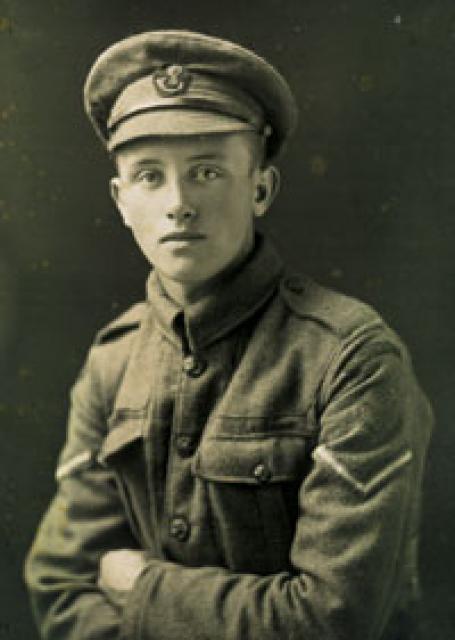
In 1901, Richards joined the Royal Welch Fusiliers, an esteemed regiment in the British Army. He served in India and Burma for seven years, after which he transferred to the reserves. In 1914, upon the outbreak of World War I, Richards returned to the 2nd Battalion of the Royal Welch Fusiliers and participated in major British campaigns on the Western Front without sustaining any serious injuries.
Post-War Life
After the war, Richards was unable to return to coal mining due to an injury. He worked various temporary jobs until 1933, when he published his classic memoir, "Old Soldiers Never Die." The book, written from the perspective of a regular soldier, offered a unique viewpoint compared to memoirs written by wartime officers.
Literary Success
"Old Soldiers Never Die" was a critical and commercial success, assisted by Robert Graves, a fellow fusilier and Richards' friend. In 1936, Richards published a second memoir, "Old Soldier Sahib," detailing his service in India.
Recognition and Legacy
Richards, who never rose above the rank of private during the war, received both the Distinguished Conduct Medal and the Military Medal for his valor. He was interviewed by the BBC for their documentary series "The Great War" in 1964. Richards remained in correspondence with Robert Graves until his death in 1961 at the age of 78.
Conclusion
Frank Richards' memoirs offer a valuable insight into the experiences of ordinary soldiers during World War I. His unique perspective and vivid writing have made his works enduring classics of military literature.