
Frankie Udall
 Great Britain
- Frankie Youdell: Battling Prader-Willi Syndrome
- Restrictive Measures
- Impact on Behavior
- Dietary Management
- Struggles with Socialization
- Hope for the Future
Frankie Youdell: Battling Prader-Willi Syndrome
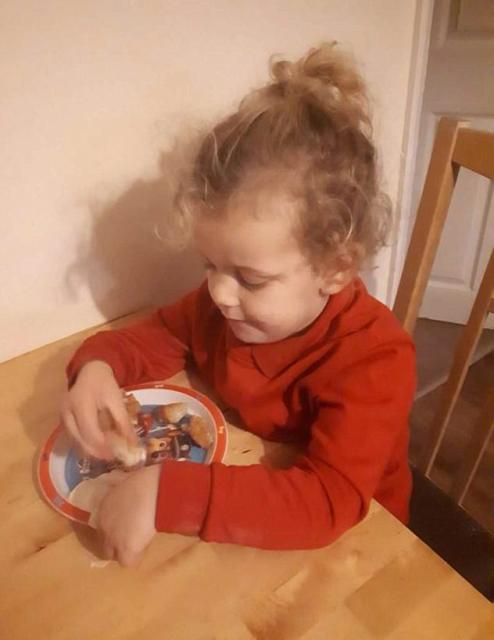
Unending HungerFrankie Youdell, a four-year-old British boy, suffers from Prader-Willi Syndrome (PWS), a rare disorder that wreaks havoc on his appetite. Driven by unrelenting hunger, Frankie experiences intense screaming and tantrums when denied food. His mother, Tayla, faces a moral dilemma in controlling his intake despite witnessing the positive effects.

Restrictive Measures
To prevent overeating and obesity, Tayla employs strict measures. She installs sliding gates to block Frankie's access to the kitchen and even feeds him separately from his brother, whom Frankie would otherwise steal from. The constant hunger creates an endless cycle of meals and denials, leaving Tayla torn between her maternal instincts and the need to protect Frankie's health.
Impact on Behavior
PWS not only affects Frankie's appetite but also his behavior. When food is withheld, he becomes volatile, lashing out at himself, his mother, and his brother. The guilt and distress his mother experiences are overwhelming.

Dietary Management
Tayla carefully manages Frankie's diet. She provides him with slightly more food than a typical five-year-old but limits the quantity to prevent weight gain. She focuses on nutritious meals, including fruits and vegetables, and avoids excessive fat intake, which can prolong Frankie's feeling of fullness.

Struggles with Socialization
Tayla's greatest fear is that Frankie's weight issues may hinder his ability to play and socialize. She worries that as he grows older, he may face discrimination and exclusion due to his size.

Hope for the Future
Despite the challenges, Tayla remains optimistic. She hopes that as Frankie matures, he will learn to cope with his symptoms and understand the importance of controlled eating. She finds solace in connecting with other parents facing similar struggles. Tayla encourages parents who suspect their children may have PWS to seek professional advice immediately and never give up on their loved ones.