
Gul Meena
 Pakistan
Gul Meena is a Pakistani-born survivor of child marriage and family violence whose story drew international attention after she escaped a forced marriage and survived a severe attack by relatives. After years in a women’s shelter in Kabul, she was resettled in Sweden in 2017 and began building a life beyond the immediate threat to her safety.

Early life and forced marriage
Meena was born in Pakistan to a family from the region along the Afghan-Pakistani border. Reports say she was married as a child, at about 12, to a much older man. She described enduring violence in the marriage and eventually fleeing with a young man she had come to trust.

Her decision to leave placed her at risk from relatives who regarded the escape as a violation of family honor. Her brother and uncle tracked the couple down in Afghanistan. The man with her was killed, and Meena was attacked with an axe and left with life-threatening injuries. She survived after reaching medical care, though the attack left lasting scars and affected her memory.

Recovery and refuge
After hospital treatment, Meena was taken to a protection shelter run by Women for Afghan Women in Kabul. The organization provided a secure place to recover, along with ongoing support as she faced the danger of returning to her family. She spent about five years in the shelter system, where she formed friendships with other women and girls who had escaped forced marriages or violence.
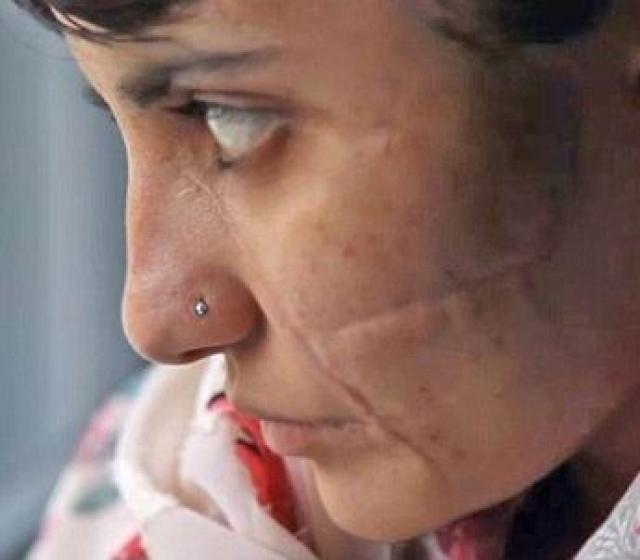
Meena’s case became widely known through news coverage and advocacy focused on the risks faced by women who resist forced marriage. Her story was often described as an attempted honor killing, a label used in reporting to describe violence intended to punish a woman for choices her family considers dishonorable. The phrase does not lessen the brutality of the attack or make it acceptable.
A new beginning in Sweden
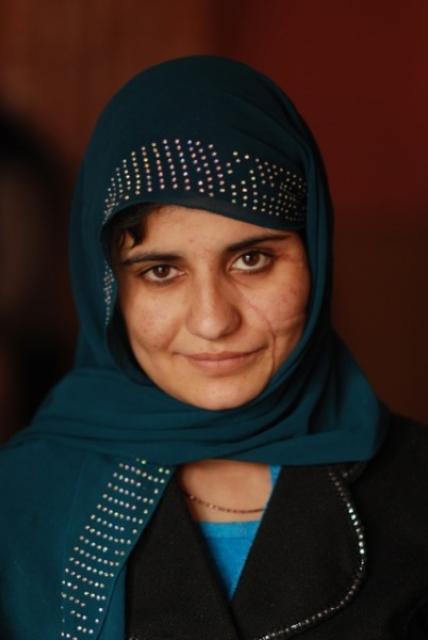
In 2017, with help from Women for Afghan Women and her legal representatives, Meena left Afghanistan for Sweden. Resettlement offered a chance to live away from the people who had threatened her and to start over after years of uncertainty. Her departure was a milestone for the shelter community, where other residents had shared the same hopes for safety and a future of their own.
Meena’s life illustrates both the long aftermath of gender-based violence and the importance of safe housing, medical care, legal help, and resettlement for survivors. Public accounts of her story focus mainly on her escape and recovery; details of her private life in Sweden have largely remained out of view.


