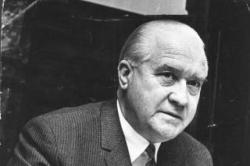
Henry Horutanskiy
 Czech
Czech- Early Life and Reign in Tyrol, Carinthia, and Carniola
- Reign as King of Bohemia
- Opposition and Dethronement
- Later Reign and Legacy
Early Life and Reign in Tyrol, Carinthia, and Carniola
Henry of Carinthia, also known as Henry II of Tyrol, was born as the younger son of Meinhard II, Count of Tyrol and Duke of Carinthia, and Elizabeth of Wittelsbach, daughter of Duke Otto II of Bavaria. Following his father's death in 1295, Henry became co-ruler of Carinthia, Carniola, and Tyrol with his elder brother, Otto, until 1310.
The House of Gorizia-Tyrol, to which Henry belonged, had been close allies of the Habsburgs. This alliance enabled the Tyrolean counts to acquire the substantial duchies of Carinthia and Carniola on the southeastern borders of Germany. However, in 1305, brothers Otto and Henry shifted allegiance as King Wenceslaus II of Bohemia offered Henry's hand in marriage to his daughter, Anna.
Reign as King of Bohemia
In 1306, Henry married Anna in Prague. Shortly thereafter, Wenceslaus III, the new King of Bohemia and Henry's brother-in-law, left for a campaign in Poland, leaving Henry as regent of his kingdom. However, on August 4, Wenceslaus III was assassinated in Olomouc, leaving no male heirs. Henry, known as Henry of Carinthia, became the primary claimant to the Bohemian throne. The Czech parliament elected Henry as king by a majority vote.
Henry's reign in Prague was short-lived. Within a month, Rudolf III of Habsburg, Duke of Austria, besieged the city and forced Henry to flee. In 1307, after Rudolf's death, Henry returned to Bohemia and was crowned king. The Czech nobility expected Henry to restore peace and order, but he proved to be weak and indecisive. He failed to improve the kingdom's finances and sold crown jewels.
Opposition and Dethronement
A coalition of powerful magnates soon formed against Henry, hoping to secure the throne for Wenceslaus II's last unmarried daughter, Elizabeth. They succeeded in marrying her to John of Luxembourg, the son of Emperor Henry VII. Henry refused to cede power and besieged Prague and Kutná Hora with Carinthian troops, temporarily strengthening his position.
However, by 1310, the Czech estates rebelled against Henry. The Luxembourg allies attacked Henry's ancestral lands in Carinthia and Tyrol. The Czech parliament declared Henry deposed. John of Luxembourg's forces entered Prague, and Henry fled to Carinthia. Despite losing the Czech throne, Henry continued to style himself as King of Bohemia and Poland (the latter claimed through his predecessor, Wenceslaus III).
Later Reign and Legacy
In 1310, upon his brother's death, Henry inherited Tyrol, Carinthia, and Carniola. In the conflict over the Holy Roman Empire, he supported Austrian Duke Frederick of Habsburg against Louis IV of Bavaria, allied with the Luxembourgs. In 1314, he cast his vote as King of Bohemia in favor of Frederick but could not secure his election as German king.
Diplomatic moves continued. In 1321, Emperor Louis IV attempted a rapprochement by proposing a marriage alliance between Henry of Carinthia and Maria, sister of John of Luxembourg. However, the plan was thwarted by the resolute opposition of Elizabeth of Bohemia, who despised her former son-in-law. Henry remained loyal to the Habsburgs.
A compromise was reached in 1330: John of Luxembourg's younger son, John Henry, was betrothed to Henry of Carinthia's daughter and heiress, Margaret. According to the marriage contract, the Czech king would become regent of Henry's lands if he died before Margaret came of age.
Henry died in 1335, leaving behind only his daughter, Margaret. Per the 1282 agreement between Meinhard II of Gorizia-Tyrol and Albert I of Habsburg, Carinthia and Carniola passed to the Dukes of Austria, despite John of Luxembourg's resistance. Margaret managed to retain the County of Tyrol.