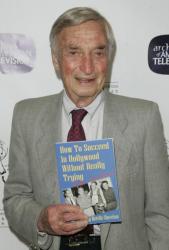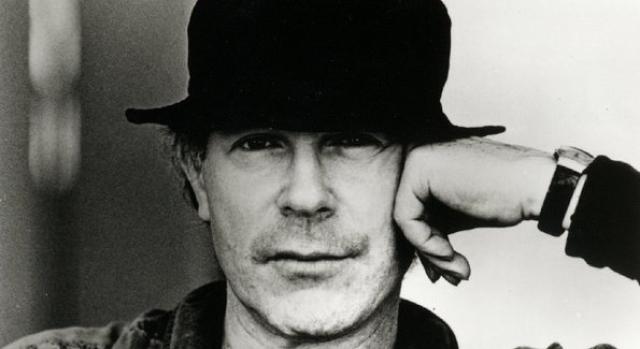
Henry Jaglom
 USA
USA- Early Life and Career Beginnings
- Foray into Filmmaking
- Cult Status and Controversy
- Signature Style and Commercial Success
- Personal and Artistic Exploration
- Later Career and Collaborations
Early Life and Career Beginnings
Born on January 26, 1941, in London, England, Henry Jaglom is the descendant of a wealthy Russian Jewish businessman. Jaglom's artistic journey commenced in the New York theater scene before his relocation to Los Angeles, where he joined an acting studio and landed a television contract with Columbia-Screen Gems.

Foray into Filmmaking
Jaglom's directorial debut came in 1967 with "Six Day War (Egypt vs. Israel)," a three-hour silent film that earned him industry recognition. His connections with Hollywood luminaries such as Jack Nicholson, Warren Beatty, and producer Bert Schneider of BBS Productions paved the way for his subsequent film projects.
Cult Status and Controversy
"A Safe Place" (1971), co-written by Jaglom, showcased his distinctive "stream-of-consciousness" style. The film's unconventional narrative and 94-minute runtime garnered mixed reviews, cementing Jaglom's reputation as a cinematic outsider. Five years later, he released "Tracks" (1976), a Vietnam-themed drama starring Dennis Hopper.
Signature Style and Commercial Success
The 1980s marked a turning point in Jaglom's career. "Sitting Ducks" became one of his most acclaimed works, showcasing his signature blend of comedic absurdity and interconnected storylines. His 1983 film, "Can She Bake a Cherry Pie?," was the official U.S. entry at the Cannes Film Festival. Jaglom's emphasis on improvisation and authenticity gave his films a sense of raw realism.
Personal and Artistic Exploration
"Always (But Not Forever)" (1985) was a confessional comedy about the dissolution of Jaglom's marriage. The film's deeply personal nature resonated with audiences. In "Someone to Love" (1987), Jaglom delved into themes of friendship and financial struggles. "Eating" (1990) and "Babyfever" (1994) further cemented his reputation as an art-house pioneer.
Later Career and Collaborations
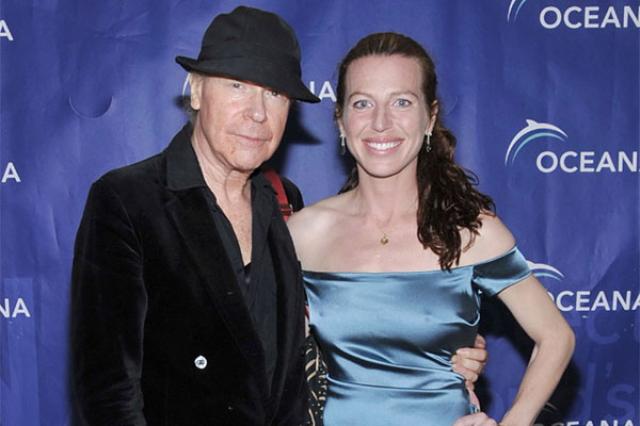
Jaglom collaborated with his wife, Victoria Foyt, on the screenplay and starred in "Babyfever." They later co-directed the documentary film "Going to Pieces" (1997). "Last Summer at the Hamptons" (1995) reunited Jaglom with Geraldine Page and André Gregory, resulting in one of his most commercially successful and critically lauded works.