Hiroyuki Agawa
 Japan
JapanBiography of Hiroyuki Agawa
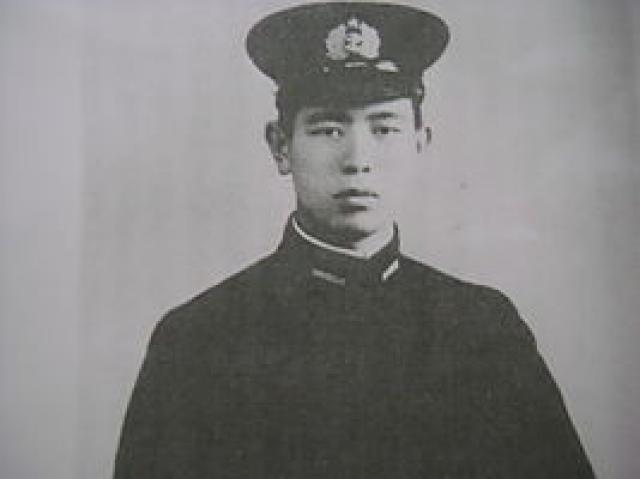
Hiroyuki Agawa was a Japanese writer and literary critic, known for his association with the literary group "Third New." He was born in Hiroshima to a family of entrepreneurs. Agawa graduated from the Faculty of Philology at Tokyo University, specializing in Japanese literature. His thesis focused on the works of Shiga Naoya.
In 1943, Agawa was drafted into the army and served as a junior lieutenant in the navy. Although he did not directly participate in combat, his knowledge of the Chinese language led to his involvement in intelligence as a translator of classified information. He spent the end of the war in Hubei Province, China, after being promoted to senior lieutenant in 1944.
After his demobilization in March 1946, Agawa returned home to Hiroshima, where he was shocked by the aftermath of the atomic bombing. In 1946, he made his debut as a writer with the novella "Year After Year," which depicted his encounter with a family that survived the bombing in the devastated city of Hiroshima. Agawa continued to explore the theme of Hiroshima in his subsequent works. One of his notable works from that period was the short story "August 6th" (1947), based on the testimonies of hibakusha (atomic bomb survivors).
Following the positive reception of his debut novella by the genre's master Shiga Naoya, Agawa became his disciple. His first significant work was the novel "Spring Castle" (1952), which Agawa conceived as an unadorned and truthful requiem for his friends who had served with him in the navy and died during the war. The novel received the prestigious Yomiuri Prize and contributed to Agawa's recognition as a writer.
Agawa's next work was the documentary novella "Devil's Legacy" (1954), in which the Hiroshima bombing and its aftermath were described from the perspective of a young Tokyo journalist. The story revolves around the journalist's investigation into the circumstances of his Hiroshima nephew's death and the hibakusha's reaction to the activities of the American-created Commission for the Study of Diseases caused by the atomic bombing. The novella was translated into English and Chinese languages.
In his later works, Agawa often continued to explore the military theme in an autobiographical manner. As a literary critic, he is known for his works on his teacher, writer Shiga Naoya, and among the other writers highly esteemed by Agawa is Masuji Ibuse. Agawa and Kenzaburo Oe, another prominent Japanese writer, were widely known for their public debates and mutual disregard for each other's works.