Hirsh Glick
- Early Life and Literary Influences
- Writings in the Ghetto
- Flight and Fate
- "Partisan Hymn": A Symbol of Resistance
- Legacy and Remembrance
Early Life and Literary Influences
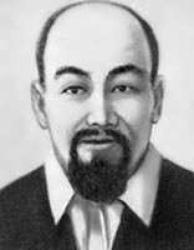
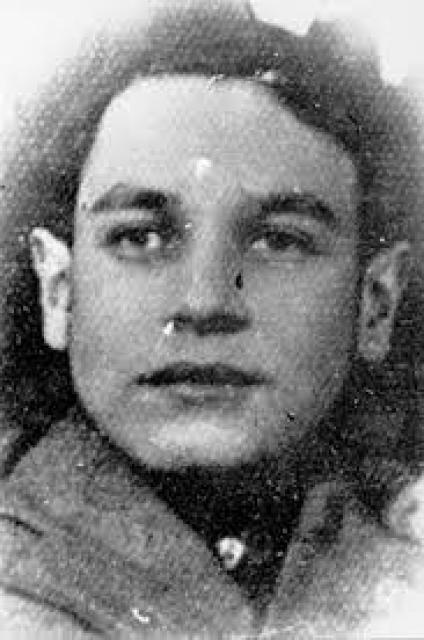
Hirsh Glik, a prominent Jewish poet, was born into an impoverished family and faced financial challenges that forced him to discontinue his education in 1938. Despite these hardships, he pursued literary endeavors and joined the Vilnius-based group "Yung Vilne." Inspired by this literary circle, Glik transitioned from writing in Hebrew to Yiddish, gaining recognition for his evocative compositions.
Writings in the Ghetto
In 1941, Glik found himself confined within the Vilnius Ghetto. He became actively involved in the underground resistance movement while continuing to compose poetry. His renowned "Partisan Hymn," "Shtil di Nakht" ("The Night is Still"), captured the triumph of a successful partisan operation and became an anthem for the resistance. Another iconic work, "Zog Nit Keynmol" ("Never Say"), emerged from his experiences within the ghetto, serving as a symbol of resilience and the unwavering spirit of the Jewish partisans.
Flight and Fate
During the ghetto's liquidation in 1943, Glik attempted to escape but was apprehended and sent to the Goftil camp in Estonia. However, in the summer of 1944, he managed to flee the camp. His ultimate fate remains uncertain, with speculations suggesting that he was captured and perished.
"Partisan Hymn": A Symbol of Resistance
Glik's "Partisan Hymn," known internationally, was set to the melody of "To Ne Tuchi" ("It's Not Clouds") by the Poksrass brothers. It became a beacon of hope and defiance for Jewish partisans and a testament to their unwavering determination. The hymn was translated into numerous languages and performed worldwide, immortalizing the struggles and sacrifices of the Jewish resistance.
Legacy and Remembrance
Hirsh Glik's literary legacy endures. His "Partisan Hymn" is etched into the monument commemorating Jewish partisans in Bat Yam. Every year, during the anniversary of the Warsaw Ghetto Uprising, the Polish Army Choir performs his hymn in Yiddish, a poignant tribute to his indomitable spirit and the message of resilience that his words continue to convey.