Hussein bin Ali
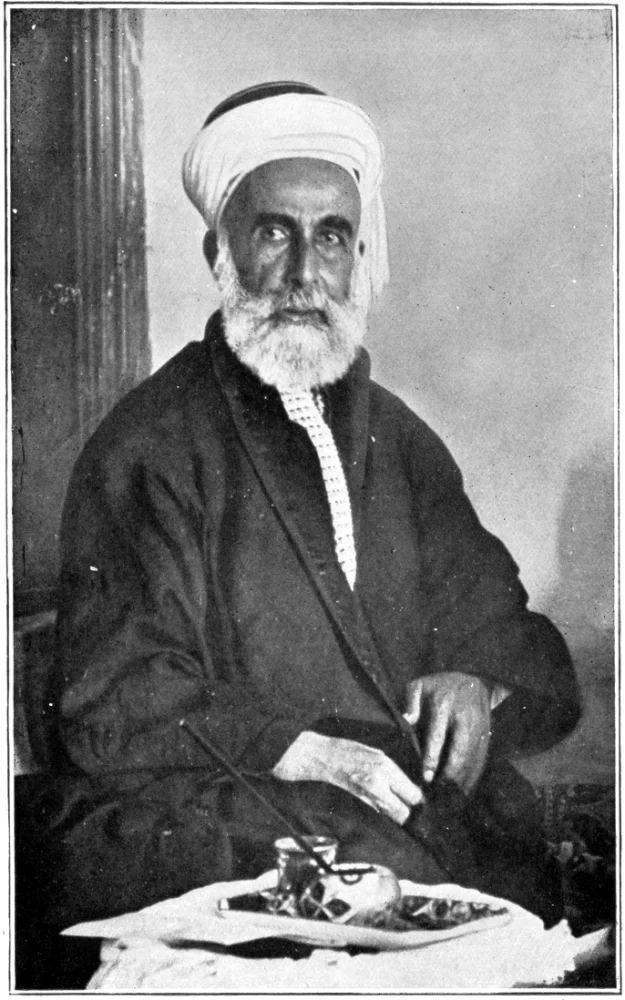
Hussein bin Ali (c. 1853–1931) was the Sharif and Emir of Mecca who led the Great Arab Revolt against the Ottoman Empire during the First World War. He became King of the Hejaz in 1916 and briefly claimed the title of caliph after the Ottoman caliphate was abolished in 1924. His revolt helped reshape the Middle East, but the independent Arab kingdom he hoped to establish never came together, and he spent his final years in exile.
A Hashemite leader in Mecca
Hussein was born around 1853 into the Hashemite family, which had held the Sharifate of Mecca for generations. Accounts differ over whether he was born in Istanbul or Mecca; he spent much of his early life in Istanbul before returning to the Hejaz. In 1908, amid political change in the Ottoman Empire, Sultan Abdülhamid II appointed him Sharif and Emir of Mecca. Hussein sought to preserve the region’s traditional autonomy as the Committee of Union and Progress pursued greater central control from Istanbul.
The First World War brought new pressures. The war disrupted pilgrimage and food supplies in the Hejaz, while the Ottoman government’s plans for the region threatened Hussein’s position. He also feared that the authorities might replace him with a rival Hashemite. British officials in Egypt negotiated with him through the Hussein–McMahon correspondence of 1915–16, discussing Arab independence after an Ottoman defeat. The letters were ambiguous about the boundaries and political arrangements Britain would support, a disagreement that shadowed relations between Hussein and his wartime allies.
The Arab Revolt
On June 10, 1916, Hussein launched the Arab Revolt against Ottoman rule. He framed it as a defense of the Hejaz and of Islam against the Ottoman leadership, while also using Arab nationalist language to gather support. His sons Ali, Abdullah, Faisal, and Zeid directed much of the fighting. With British weapons, supplies, and funding, the Hashemite forces captured Mecca and later took Aqaba, creating a route for operations into the wider region. Ottoman forces held Medina until 1919.
In October 1916, Hussein proclaimed himself “King of the Arabs,” a title the British and other European powers did not recognize. They recognized him as King of the Hejaz instead. His ambitions extended beyond the Hejaz: he hoped to lead a broader Arab political order after the war. But the postwar settlement divided the region into territories under British and French influence, and his sons’ attempts to establish rule in Syria, Iraq, and Transjordan unfolded under mandates and European pressure.
Defeat and exile
When the Turkish National Assembly abolished the Ottoman caliphate in 1924, Hussein proclaimed himself caliph. The claim received little support beyond his immediate circle. At the same time, forces of Abd al-Aziz Ibn Saud advanced into the Hejaz. Facing defeat, Hussein abdicated in favor of his eldest son Ali in October 1924. The Saudi conquest of the Hejaz was completed the following year, ending Hashemite rule there.
Hussein was sent into exile in Cyprus in 1925. He returned to the region in 1930 as his health declined and joined his son Abdullah in Amman. He died there on June 4, 1931, and was buried in Jerusalem. His sons continued to shape the politics of the new Middle East: Faisal became king of Iraq, Abdullah ruled Transjordan, and Ali briefly succeeded him in the Hejaz. Hussein’s life remains bound to both the promise and the limits of the wartime Arab Revolt—a struggle that weakened Ottoman rule but did not deliver the unified, independent Arab state he had sought.