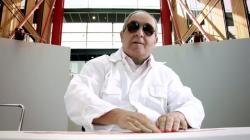
Inessa Tsypina
- Soviet Moldavian Painter and Graphic Artist
- Influences and Artistic Approach
- Career and Accomplishments
- Recognition and Legacy
- Exhibitions and Significance
- Annual exhibitions of the Union of Artists of Moldova
Soviet Moldavian Painter and Graphic Artist
Early Life and EducationInna Tsipina was born in Chișinău, Moldova, in 1943. Her father, Max Tsipina, was an engineer from Vitebsk, Belarus, who came to Moldova after World War II to establish the Moldavian Railway. Inna's mother, Zinaida Frolova, was a war veteran who had been injured during the Battle of Stalingrad.
In 1959, Tsipina entered the Children's Art School in Chișinău, where she studied under the renowned artist Natalya Vasilyeva. Subsequently, she enrolled in the Republican Art School, where she studied painting under Ada Zevina and Vera Zazeyskaya.
Influences and Artistic Approach
During her formative years, Tsipina was inspired by the works of Vincent van Gogh and Mikhail Grecu, a leading figure in Moldovan art. Her aesthetic views were shaped by conversations with these masters, who encouraged her to develop her own unique style.
Tsipina's artistic approach was characterized by a synthesis of modernism and humanism. She drew heavily on the techniques and concepts of modernism, but remained rooted in the exploration of human experience and emotions.
Career and Accomplishments
After graduating from the Art School in 1967, Tsipina worked as a set designer at Moldovan State Television from 1968 to 1988. During this period, she continued to pursue her interest in easel painting and exhibited her works in various national exhibitions.
In the 1980s, Tsipina shifted her focus to plein air painting, creating memorable landscapes of Chișinău. Notable works from this period include "Spring in Old Chișinău" (1984) and "Old Mill" (1987-1988).
After the fall of the Soviet Union, Tsipina dedicated herself entirely to painting. She began working in oil, pastel, charcoal, and other mediums, exploring themes such as portraiture, still life, landscape, and the nude. Her works received international recognition and were exhibited in Japan, Spain, and other countries.
In the 1990s, Tsipina produced a series of introspective self-portraits, which critics praised for their psychological depth and emotional intensity. Her style was influenced by Rembrandt, whose work inspired her to experiment with chiaroscuro and expressive brushwork.
Recognition and Legacy
Tsipina's talent was recognized by her peers and the art establishment. She was accepted into the Union of Artists of the USSR in 1988 and became a member of the Board of the M-ART Association of Russian Artists in Moldova in 2004.
Despite her notable career, Tsipina remained humble and focused on her art. She donated a significant portion of her works to the National Museum of Fine Arts of Moldova, ensuring that her legacy would be preserved in her home country.
Exhibitions and Significance
Inna Tsipina's works have been exhibited in numerous exhibitions, including:
Annual exhibitions of the Union of Artists of Moldova
Exhibitions of the M-ART Association of Russian Artists in MoldovaMoscow (1995, 1996, 1998)
Bucharest (1994)
Hungary (1995)
Tsipina's unique artistic vision and dedication to her craft have earned her a place among the most significant painters of Moldova. Her works continue to inspire artists and art enthusiasts alike, showcasing the richness of human emotions and the enduring power of art.