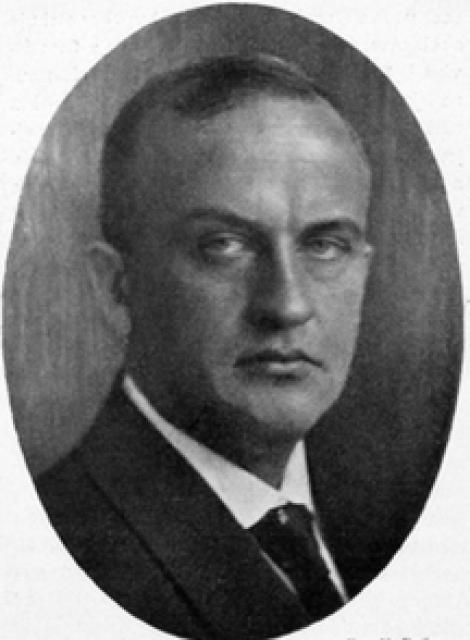
Jan Kotera
- Jan Kotěra: A Pioneer of Czech Architecture
- Architectural Influences
- Synthesis of Modernism and Nationalism
- Notable Buildings
- Štursova Villa, Prague (1904-1905)
- Pedagogical Legacy
- Impact on Czech Architecture
Jan Kotěra: A Pioneer of Czech Architecture
Early Life and EducationJan Kotěra, a Czech architect, designer, and graphic artist, played a pivotal role in shaping modern Czech architecture. Born in 1871, he studied architecture at the Academy of Fine Arts in Vienna under the renowned professor Otto Wagner.
Architectural Influences
Kotěra's early work was influenced by the Viennese Secession style, characterized by its decorative motifs and curved lines. However, after encountering the designs of Frank Lloyd Wright, he gradually adopted the principles of functionalism.
Synthesis of Modernism and Nationalism
In Kotěra's architecture, he masterfully combined modernist aesthetics with Czech national elements, creating a unique blend of the two styles. His buildings exuded a sense of modernity while maintaining a deep connection to Czech cultural heritage.
Notable Buildings
Museum of Decorative Arts, Prague (1901-1902)This landmark building showcased Kotěra's transition from Secessionism to functionalism.
Štursova Villa, Prague (1904-1905)
This sprawling villa embodied the fusion of modernism and nationalism, featuring a geometric facade adorned with Czech ornaments.
Pedagogical Legacy
Kotěra not only left his mark through his architectural works but also as an influential teacher. As a professor at the Academy of Fine Arts in Prague, he founded the architecture class and nurtured the careers of numerous talented architects, including Josef Gočár.
Impact on Czech Architecture
Kotěra's contributions to Czech architecture were profound. His innovative designs and emphasis on blending international and national influences inspired generations of architects and set the stage for the development of modern Czech architecture in the 20th century.




