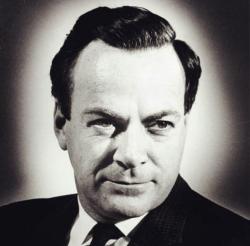
Jean Bricmont
 Belgium
- Jean Bricmont
- Intellectual Impostures
- Postmodernism and Science
- Anti-Imperialism and Humanitarianism
- Left-Wing Activism and Human Rights
- Influences
Jean Bricmont
Jean Bricmont is a Belgian physicist, author, and political activist. As a professor of theoretical physics at the Université catholique de Louvain in Belgium, Bricmont is known for his work on quantum field theory and statistical mechanics.
Intellectual Impostures
In collaboration with physicist Alan Sokal, Bricmont co-authored the book "Intellectual Impostures" (1997), which critiqued the philosophy of postmodernism and its embrace of scientific terminology. The book highlighted the ways in which postmodern thinkers, such as Jacques Derrida, Jacques Lacan, and Jean Baudrillard, misused and distorted scientific concepts without any regard for their actual meaning.
Postmodernism and Science
Bricmont argues that the use of scientific language by postmodern philosophers is often a facade, hiding a lack of understanding and a disdain for scientific methodology. He emphasizes the importance of adhering to scientific standards of rigor and evidence, rather than indulging in meaningless jargon.
Anti-Imperialism and Humanitarianism
Bricmont's political activism is primarily focused on anti-imperialism and the critique of Western foreign policy. In his book "Humanitarian Imperialism" (2005), he accuses the United States and its allies of using humanitarian interventions as a pretext for neocolonialism and the expansion of their power.
Left-Wing Activism and Human Rights
Bricmont also criticizes certain left-wing activists who prioritize symbolic protests over concrete actions. He argues that the pursuit of abstract notions of human rights should not justify the use of violence or the violation of sovereignty. Instead, he advocates for a pragmatic and evidence-based approach to social justice.
Influences
Bricmont acknowledges his political awakening during the NATO bombing of Yugoslavia in 1999. The widespread acceptance of humanitarian motives for the aggression, coupled with the muted opposition from the left, motivated him to become more actively involved in political discourse. He has collaborated with thinkers such as Noam Chomsky, who share his concerns about the misuse of humanitarian rhetoric and the dangers of military intervention.