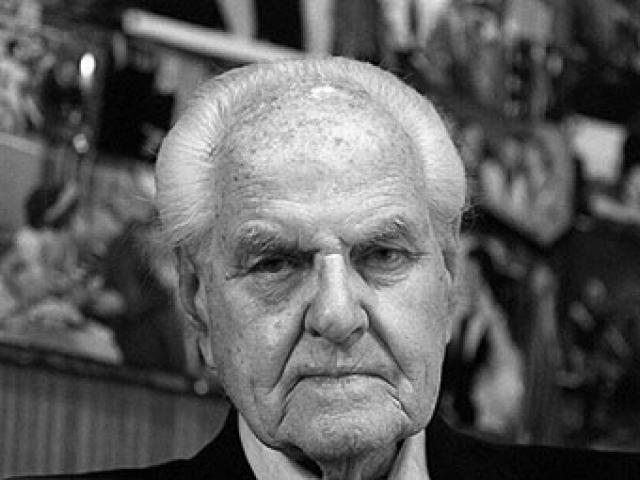
Jean Delannoy
 France
- Jean Delannoy: From Editor to Acclaimed Director
- Literary Adaptations and Critical Accolades
- Later Work and Legacy
- Criticisms and Impact
Jean Delannoy: From Editor to Acclaimed Director
Jean Delannoy, a distinguished French filmmaker, embarked on his cinematic journey as an editor before helming his first feature film, "Paris-Deauville," in 1933.
Literary Adaptations and Critical Accolades
Delannoy gained widespread recognition for his cinematic adaptations of classic literary works. In 1943, he collaborated with Jean Cocteau to bring the timeless tale of Tristan and Isolde to the silver screen in "L'eternel retour," starring Jean Marais and Madeleine Sologne.
Among his most celebrated adaptations, critics lauded "Notre-Dame de Paris" (1956), which featured Anthony Quinn and Gina Lollobrigida. In 1946, Delannoy's "La symphonie pastorale" earned him the prestigious Palme d'Or at the Cannes Film Festival. He also directed several acclaimed feature films based on the works of Jean-Paul Sartre.
Later Work and Legacy
Delannoy's final film, "Marie de Nazareth," was released in 1995. Over the course of his prolific career, he directed approximately 30 cinematic masterpieces. Delannoy held prominent positions in the French film industry, serving as President of the Association of Filmmakers and the École de Cinéma.
Criticisms and Impact
Despite his numerous accomplishments, Delannoy drew criticism from "New Wave" filmmakers such as Godard, Truffaut, and Chabrol, who accused him of being overly academic. Nonetheless, his contributions to French cinema remain undeniable, as he played a pivotal role in shaping the cinematic landscape of his time.


