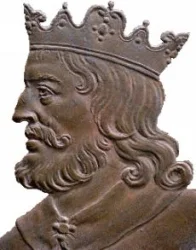
Jehoash
- A Child Hidden from Athaliah
- Repairing the Temple
- Later Years and Assassination
- A Complicated Biblical Legacy
Jehoash, also called Joash, became king of Judah as a child after a dangerous succession crisis. The biblical books of Kings and Chronicles tell how the high priest Jehoiada hid him from Queen Athaliah, then brought him forward to claim the throne. His reign is remembered for repairs to the Jerusalem temple, but later accounts describe a sharp turn in his rule and his eventual assassination by court officials.
A Child Hidden from Athaliah
Jehoash was a son of King Ahaziah of Judah. After Ahaziah’s death, his mother Athaliah seized power and attempted to eliminate the royal heirs. According to 2 Kings and 2 Chronicles, Jehoash’s aunt Jehosheba rescued him as an infant and hid him with his nurse in the temple. The high priest Jehoiada and his wife protected and raised the child there for six years.
When Jehoash was seven, Jehoiada organized a plan with priests, guards, and local leaders to proclaim him king. The boy was crowned in the temple, and Athaliah was killed during the ensuing upheaval. The biblical narrative presents the event as the restoration of the Davidic dynasty and the end of Athaliah’s rule.
Jehoash’s accession depended on the support of Jehoiada and the temple establishment. The young king was therefore closely guided by the high priest, whose influence shaped the early years of his reign.
Repairing the Temple
The account in 2 Kings centers on Jehoash’s effort to repair the Jerusalem temple, which had fallen into disrepair. At first, money collected by the priests was not being used effectively, so the king introduced a collection chest near the temple entrance. The funds were then placed under the oversight of appointed officials and paid to workers, including carpenters, builders, and stonecutters.
The project restored the building and helped reestablish the temple’s place in Judah’s religious and public life. The biblical account portrays Jehoash as energetic in this effort, though it does not provide independent details about the construction program beyond the narrative itself.
Judah remained under pressure from neighboring powers. The Aramean king Hazael captured the Philistine city of Gath and threatened Jerusalem. To secure his withdrawal, Jehoash sent him valuables from the temple and royal treasury. This action shows the political cost of maintaining the kingdom’s security, even while the temple was being repaired.
Later Years and Assassination
The biblical books offer different emphases on Jehoash’s later reign. In Kings, the story focuses on his dealings with the temple and his murder by officials. Chronicles adds a religious conflict: after Jehoiada’s death, Jehoash is said to have abandoned the worship he had supported and to have ordered the death of Jehoiada’s son Zechariah, who criticized the king.
Both accounts say Jehoash was eventually assassinated by members of his own court. He was buried in Jerusalem, though the narratives note that his burial was not in the tombs of the kings. His son Amaziah succeeded him.
A Complicated Biblical Legacy
Jehoash is remembered as both a rescued child who restored the temple and a king whose later actions brought him into conflict with the religious leadership that had helped place him on the throne. Kings and Chronicles interpret his life through religious themes, and modern readers treat their narratives as sources shaped by distinct perspectives.
His story highlights the vulnerability of royal succession in ancient Judah. A child survived a palace coup through the intervention of temple officials, became king through their support, and later faced violent opposition from within his own court.