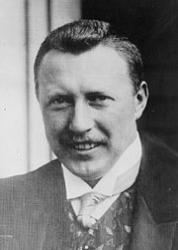
John Banister
 Great Britain
- John Banister: Missionary, Naturalist, and Explorer
- Missionary Expedition to North America
- Botanic Explorations
- Publications and Recognition
- Tragic Demise
- Legacy
John Banister: Missionary, Naturalist, and Explorer
Early Life and EducationJohn Banister was born in England and studied at Oxford University, where he graduated in 1671. His academic pursuits focused on the study of plants, insects, and mollusks.
Missionary Expedition to North America
In 1674, Banister embarked on a missionary expedition to North America, landing first in the West Indies (Barbados and Grenada) and later in Virginia. During this expedition, Banister meticulously documented the natural history of Virginia, particularly its diverse flora.
Botanic Explorations
Banister's botanical explorations aimed to collect previously unknown plants for the botanical gardens of England, including the Oxford Botanical Garden and the newly established Chelsea Physic Garden (1676). Among the plants introduced through his efforts were the magnolia (Magnolia virginiana), bleeding heart (Dicentra cucullaria), scarlet oak (Quercus coccinea), and sweetgum tree (Liquidambar styraciflua).
Publications and Recognition
In 1680, Banister published "Plantae Virginicae" (Plants of Virginia), a catalog of his collected specimens. His contributions to botany were further recognized in John Ray's "Historia generalis plantarum," which described Banister as "a most learned man and a consummate botanist."
Tragic Demise
Banister's life ended abruptly in 1692. While collecting plants along the Roanoke River, he was fatally wounded by a gunshot, either by accident or foul play. His unfinished work, "Natural history of Virginia," which he had been compiling since 1678, remained incomplete.
Legacy
In honor of Banister's contributions, English botanist William Houston named the plant genus Bannisteria after him. Carl Linnaeus subsequently included the genus in his "Species plantarum" with the name Banisteria. Today, the name Banisteria L. (1753) is synonymous with Heteropterys Kunth (1822) in the family Malpighiaceae.
A journal titled "Banisteria" is also named after Banister in recognition of his pioneering work in Virginia. Additionally, the genus Banisteriopsis in the family Malpighiaceae bears his name due to its resemblance to the original Banisteria genus.