Joos van Cleve
 Netherlands
- Joos van Cleve: A Masterful Dutch Artist of the Renaissance
- Prolific Output and Influence
- Major Works: The Assumption Altars
- Artistic Style and Legacy
- "Assumption of the Virgin" from the Alte Pinakothek
- Appreciation and Influence
Joos van Cleve: A Masterful Dutch Artist of the Renaissance
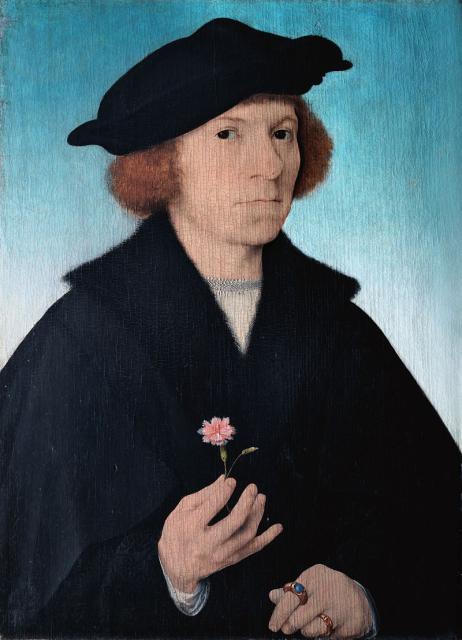
Early Life and TrainingJoos van Cleve, a renowned Dutch artist, first entered the annals of art in 1511, when he joined the prestigious Antwerp Guild of Saint Luke. Prior to this, he honed his skills under the tutelage of Jan Joest van Calcar alongside Bartholomeus Bruyn the Elder.
Prolific Output and Influence
Van Cleve was known for his prolific output, establishing himself as one of the most active artists of his time. His time spent in France is evidenced by his paintings and his appointment as court painter to King Francis I. His possible travels to Italy further enriched his style.
Major Works: The Assumption Altars
Van Cleve's most celebrated works are his two Assumption Altars (presently housed in Cologne and Munich), which were initially attributed to the anonymous Master of the Life of Mary. These captivating altarpieces showcase his mastery of storytelling and his adoption of the Italianate style, particularly the influence of Leonardo da Vinci's sfumato technique.
Artistic Style and Legacy
Van Cleve's artistic style has been described as gently naturalistic, blending the influences of Italian Renaissance with the traditions of the Netherlandish masters. His exceptional use of color and his ability to convey lifelike flesh tones with a single paint earned him high praise from art connoisseurs.
"Assumption of the Virgin" from the Alte Pinakothek
The "Assumption of the Virgin," a masterpiece from the Old Pinakothek in Munich, originally graced the Church of St. Mary in Cologne. Commissioned by wealthy and interconnected families, it features a central panel with a striking depiction of the Virgin Mary's ascension and two side panels portraying the patron saints of the donors.
Appreciation and Influence
Van Cleve's works were highly valued during his lifetime and continue to inspire artists and art enthusiasts alike. His influence can be seen in the works of his son, Cornelis van Cleve, who also became a successful painter in his own right.