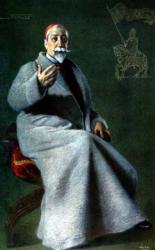
Jose Arguedas
 Peru
Peru- José María Arguedas: A Peruvian Literary Pioneer
- Education and Literary Beginnings:
- International Acclaim:
- Ethnography and Folklore:
- Legacy and Recognition:
José María Arguedas: A Peruvian Literary Pioneer
Early Life and Influences:José María Arguedas Altamirano was born in 1911 in Andahuaylas, Peru. The son of a lawyer, he lost his mother at the tender age of three. After his father remarried, Arguedas ran away from home and spent an extended period living among indigenous peoples. Their customs and beliefs profoundly shaped his writing and later ethnographic studies.
Education and Literary Beginnings:
Arguedas eventually enrolled at the National University of San Marcos in Lima. He excelled as a translator of Quechua poetry and folklore, notably translating Francisco de Ávila's collection of myths, "Gods and Men of Huarochirí." His debut novel, "Water," was published in 1935.
International Acclaim:
Arguedas gained international recognition for his novel "Deep Rivers" (1958), which explored the complexities of indigenous and mestizo life in Peru. The novel was translated into numerous languages and remains a classic of Peruvian literature.
Ethnography and Folklore:
In addition to his literary pursuits, Arguedas was a prominent ethnologist. He studied and documented the traditions and beliefs of indigenous communities, particularly those of the Quechua people. His ethnographic works shed light on their oral histories, rituals, and cultural heritage.
Legacy and Recognition:
José María Arguedas took his own life in 1969. His death shocked the literary world and underscored the enduring power of his writing. Peruvian Nobel laureate Mario Vargas Llosa dedicated a monograph to Arguedas's work in 1977, further cementing his legacy as one of the most important figures in Peruvian literature and cultural studies.