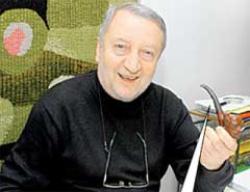
Kim Ki-Duk
 South Korea
- Kim Ki-duk: A Cinematic Master and Controversial Figure
- Screenwriting and Directorial Debut
- Experimental Filmmaking and Early Success
- International Acclaim and Moscow Film Festival
- Controversy and Legal Issues
- Death and Legacy
Kim Ki-duk: A Cinematic Master and Controversial Figure
Early Life and Art PursuitsKim Ki-duk was born on December 20, 1960, in the village of Sobyeongni, South Korea. His family later relocated to Seoul, where he briefly attended an agricultural school before finding work in a factory at age 17. After serving five years in the Marine Corps, he spent two years in a church for the blind, intending to become a priest. His passion for painting intensified during this period, leading him to Paris in 1990 to study fine arts.
Screenwriting and Directorial Debut
In 1993, Kim received an award from the Educational Institute of Screenwriting for his screenplay for "The Painter and the Death Penalty Condemned." He traveled extensively in Europe and exhibited his art, earning additional awards for screenwriting. His directorial debut came with the 1996 film "Crocodile."
Experimental Filmmaking and Early Success
Kim's subsequent films challenged cinematic conventions. "Wild Animals" (1996) explored themes of violence and redemption, while "Birdcage Inn" (1998) provided a claustrophobic commentary on social isolation. His experimental film "Real Fiction" (2000) was shot with 10 cameras in a mere 200 minutes. Within nine years of his filmmaking career, Kim had directed 13 films.
International Acclaim and Moscow Film Festival
Kim's cinematic prowess gained international recognition with the Golden Lion award at the Venice Film Festival for his 2012 thriller "Pieta." In 2019, he headed the jury of the 41st Moscow International Film Festival, where his film "Human, Space, Time and Human Again" was screened. The same year, he became the chairman of the jury for the 4th Sochi International Film Festival in Russia.
Controversy and Legal Issues
Kim's career was marred by accusations of sexual violence. In 2017, an anonymous actress alleged he had forced her to participate in an unscripted sex scene in "Moebius." He was subsequently fined in 2017, and three more women emerged with allegations in 2018. Kim filed countersuits, claiming false accusations and defamation. The Seoul Central District Prosecutor's Office dismissed Kim's case in 2019, citing insufficient evidence to prove false allegations.
Death and Legacy
Kim Ki-duk passed away on December 11, 2020, at the age of 59, in a hospital in Riga, Latvia, from complications related to COVID-19. His death marked the passing of a complex and enigmatic filmmaker who left an enduring legacy of thought-provoking and often controversial films.