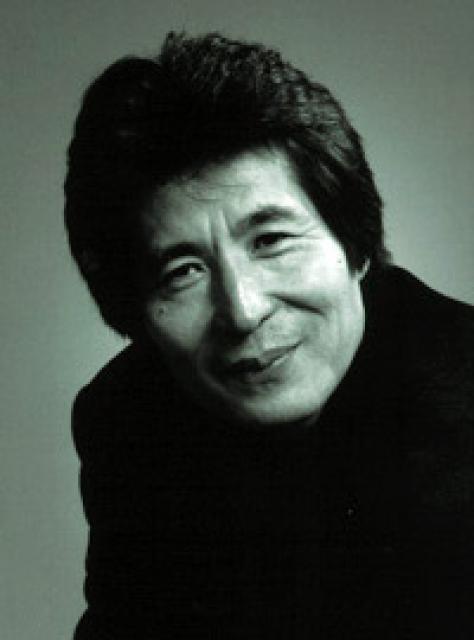
Kohei Oguri
 Japan
Japan- Kohhei Oguri: A Renowned Japanese Film Director
- Breakthrough and Recognition
- Exploration of Cultural Issues
- Return to Traditionalism and Stylistic Shift
Kohhei Oguri: A Renowned Japanese Film Director
Early Life and CareerBorn on October 29, 1945, Kohhei Oguri is a prominent Japanese film director. After graduating with a degree in literature from Waseda University, he pursued a career in filmmaking as an assistant director for the "New Wave Ofuna" movement. He collaborated with Masahiro Shinoda on the film "Double Suicide" (1969) and with Kirirō Urayama on "The Gate of Youth" (1975). In 1973, Oguri debuted as a director with the television film "Man of Meteor."
Breakthrough and Recognition
In 1981, Oguri's black-and-white film "Muddy River" brought him critical acclaim. Based on a novel by Teru Miyamoto, the film depicts the shattered friendship of two young boys amidst the harsh realities of life in post-war Japan. It was awarded at the Moscow International Film Festival and received numerous national awards, including a nomination for an Academy Award.
Exploration of Cultural Issues
Oguri continued to explore social and cultural issues in his subsequent works. "For Kayako" (1984), a poignant love story between a young Korean man and a Japanese woman, highlights the discrimination faced by the Korean minority in Japan. This film emphasizes the visual aspect, with imagery taking precedence over dialogue.
Return to Traditionalism and Stylistic Shift
In "Sting of Death" (1990), Oguri returned to a more traditional cinematic language, reminiscent of the style of renowned director Yasujiro Ozu. The film delves into the marital crisis of a couple, winning a Special Jury Prize at the Cannes Film Festival.
Oguri's final work, "Sleeping Man" (1996), showcased a shift in his style, marked by sparse dialogue and a strong emphasis on the visual.